A short ingredient list can look reassuring, but it doesn’t automatically make clean label packaged meals healthier. “Clean label” has no single legal definition or standard, so the phrase can mean different things on different products.
It makes sense to look for familiar ingredients and clear wording on a pack. But a front-of-pack claim is only part of the picture: the ingredient list, nutrition information, processing method, and approach to freshness matter too.
This guide explains what clean label usually means, how claims appear on packaged meals, and what to look for in Germany. You’ll learn how additives and processing relate to freshness, why a shorter list doesn’t guarantee better nutrition, and how to assess claims alongside the meal itself. The aim is to help you make a clearer, more practical choice about what belongs on your table.
What is a Clean Label?
For packaged meals, “clean label” usually signals familiar, natural-seeming ingredients and modest processing, but it has no single definition or legal standard. The phrase can mean different things across products, so the ingredient list and exact front-of-pack wording matter more than the label alone.
Ingredient Names and List Length
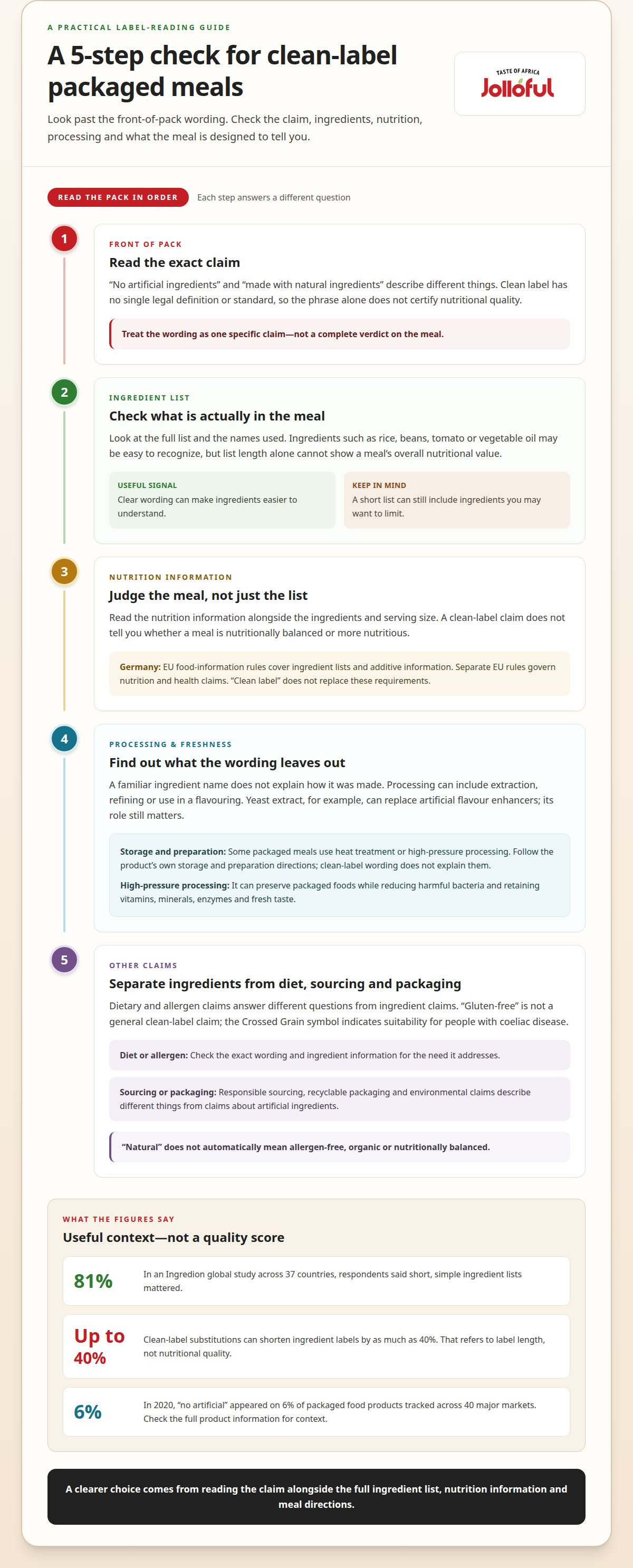
A consumer-friendly ingredient list uses names people can recognise, such as rice, beans, tomato, or vegetable oil. Shorter lists can feel easier to understand: one in ten consumers associated clean labels with short, simple lists. In Ingredion’s global study across 37 countries, 81% said short, simple ingredient lists mattered. Yet length alone cannot show a meal’s overall nutritional value. A brief list can still contain ingredients a consumer wants to limit.
Front-of-Pack Ingredient Claims
A front-of-pack ingredient claim is a brief statement about a product’s ingredients, such as “no artificial ingredients” or “made with natural ingredients.” It matters because shoppers often see that wording before the full ingredient list. In a 2015 consumer survey, more than one in three respondents linked clean label foods with being free from artificial ingredients or carrying natural or organic claims. These terms are not interchangeable: a claim should describe the recipe, not suggest broader benefits it cannot establish.
Ingredient Processing Transparency
Processing transparency explains what happens to ingredients before they enter a meal, including extraction, refining, or use in a flavouring. A familiar name alone doesn’t reveal those steps. For example, yeast extract can replace artificial flavour enhancers and is described as natural in origin, but its role still matters. Clear explanations help consumers distinguish an ingredient from how it was made, without treating every processed ingredient as artificial or harmful.
Rules for Ingredient and Nutrition Information
There is no legal definition or standard for “clean label.” In Germany, EU food-information rules cover ingredient lists and additive information, while separate EU rules govern nutrition and health claims on packaged foods. “Clean label” does not replace these requirements or certify nutritional quality. Read any front-of-pack statement alongside the full ingredient list and nutrition information, not as a substitute for either.
Clean-label claims in ready meals and other categories
You’ll see clean-label claims on ready meals, side dishes, snacks, and other packaged foods. They may refer to ingredients, dietary needs, or values such as responsible sourcing and environmental care.
In 2018, more than 50% of global food and beverage launches with clean-label claims appeared across six categories, including ready meals and side dishes. “Food and beverage launches” means new food and drink products introduced to the market. Clean label describes a perceived quality, not one fixed recipe or product type.
The exact wording matters. In 2020, “no artificial” appeared on 6% of packaged food products tracked across 40 major markets. This claim refers to artificial ingredients, but doesn’t explain every ingredient or the meal’s nutrition. Check it against the full ingredient list and product information.
Dietary Suitability and Allergen Claims
Dietary claims say whether a meal suits a particular diet. Allergen claims identify specific ingredients or their presence. For example, “gluten-free” is different from a general clean-label claim. The Crossed Grain symbol indicates suitability for people with coeliac disease. For other dietary needs, check the exact claim and ingredient information to see what the label says.
Prices of Clean-Label Packaged Meals
Clean-label packaged meals in Germany don’t have one standard price. “Clean label” isn’t a set product category with a single recipe. Price can depend on portion size, ingredients, packaging, and retailer. A clean-label claim alone doesn’t tell you whether a meal costs more or is more nutritious. Compare the product details and serving size.
Some claims focus on sourcing or packaging rather than ingredients. Across Europe, the share of new food and drink products with an ethical or environmental claim rose from 27% to 38% from 2017 to 2021. Claims about responsible sourcing or recyclable packaging describe different things from claims about artificial ingredients.
When choosing a quick dinner, check what each claim refers to: ingredients, dietary suitability, sourcing, or packaging. For example, “natural” doesn’t automatically mean allergen-free, organic, or nutritionally balanced. Treat each claim as a specific piece of information, not a complete answer about the meal.
Manufacturers can respond to clean-label demand by simplifying ingredient lists and removing artificial additives. Clean-label substitutions can shorten ingredient labels by as much as 40%. This figure refers to label length; it doesn’t mean all clean-label claims have the same meaning. Dairy-free products were growing at 18% annually, according to data cited from Innova Market Insights. This is another product feature that may appear alongside ingredient claims.
Ethical sourcing can also matter to shoppers. In a Mintel survey, 69% of UK Generation Z respondents aged 24 and under said they felt good about buying ethically sourced food and drink. Companies can share information about a product’s path from farm to fork, including commitments to ethical sourcing, sustainable practices, and social responsibility. Recyclable, biodegradable, or compostable packaging can also signal environmental values. These examples show that clean-label claims may cover more than ingredients. Check whether a statement refers to the recipe, sourcing, social commitments, or packaging.
Preserving freshness and nutritional value
Packaged meals balance freshness, safe storage, nutrition, and flavour through their ingredients, packaging, and processing. A clean-label claim alone doesn’t explain how a meal achieves that balance.
Compared with conventional ready meals, clean-label meals may use familiar ingredients and avoid artificial preservatives or colours. Some heat-and-eat meals marketed as clean label or organic also have healthier nutrient profiles, but this isn’t true of every product. Compare ingredient lists and nutrition declarations rather than assuming a label guarantees a better meal.
Shelf life, storage, and preparation depend on the specific meal and its packaging. Some packaged meals use heat treatment or high-pressure processing. Follow the product’s storage and preparation directions, as clean-label wording alone doesn’t reveal them.
High-pressure processing can preserve packaged foods while reducing harmful bacteria and retaining vitamins, minerals, enzymes, and fresh taste. Active packaging can also help slow lipid oxidation, inhibit microbial growth, and control ripening. These methods show how packaging and processing can support freshness without relying only on synthetic preservatives.
Nutrition declarations are useful only when the portion matches what you eat. A 360 ml smoothie, for example, is easier to assess as one portion than through values shown only per 100 ml. The same principle applies to a meal: check whether the stated serving reflects the amount you plan to eat.
Clean-label meals can still involve nutritional trade-offs. Removing some preservatives may increase the tendency of fats to oxidize, while reducing salt, sugar, or fat can change taste and texture. An organic claim describes production standards, not a meal’s overall nutritional balance. Look at the nutrients and serving size, not just the ingredient list.
A quick dinner also needs to taste satisfying. A richly spiced bean dish, for example, can build flavour from ingredients and cooking rather than relying on artificial flavour enhancers. Compare flavour, texture, portion, and nutrition together. A shorter ingredient list may seem simpler, but it doesn’t tell you whether the meal provides the balance you want.
Some heat-and-eat meals and snack foods marketed as clean label or organic avoid artificial preservatives and colors and have healthier nutrient profiles than conventional offerings. Such comparisons are useful context, but individual products can still differ, so consider the amount you will eat and the nutrition information for that portion. Information given only per 100 ml may not clearly show what you would get from drinking a whole 360 ml bottle; checking the full amount consumed gives a more practical comparison.
Processing and packaging approaches also vary by food. High-pressure processing can be applied to fresh foods, including poultry and meat, to extend shelf life without preservatives. For some products, high-barrier packaging uses carbon dioxide when a food’s water activity is above 0.65. Packaged fruits and vegetables may use ethylene scavengers embedded in pads, sachets, films, and coatings to control ethylene concentration. These methods address different preservation needs, so a product’s storage instructions remain important. Looking at the food type, package, and nutrition information together can help make a choice that suits both freshness expectations and eating habits.
Consumer concerns about additives and processing
Common concerns focus on additives, processing, and whether label wording makes a meal’s contents easy to understand. Familiar ingredients and clear explanations can help shoppers judge what a claim actually means.
Demand for Clean-Label Foods
Demand for clean-label packaged foods reflects interest in recognizable ingredients and greater transparency. In a consumer survey, more than half of consumers worldwide said they actively sought foods with natural ingredients. For a quick dinner, that interest can make a clear ingredient list appealing, especially when shoppers want convenience without losing sight of what a meal contains.
“Clean label” can prompt manufacturers to change a recipe, such as by replacing artificial flavour enhancers with yeast extract. That changes the ingredient list but doesn’t automatically make the finished meal healthier. The useful question is whether the replacement suits the recipe and whether the product meets your needs for taste, nutrition, and convenience.
Understanding Clean Labels
Understanding clean labels means knowing what a claim does, and doesn’t, tell you about a food. In one consumer survey, 34% of respondents said they didn’t know what “clean label” meant. That gap matters because shoppers can read the same words differently: one person may focus on additives, another on familiar ingredients, and another on how processed the food is.
Consider a ready meal listing beans, rice, and tomato. Those familiar names identify some ingredients, but the phrase “clean label food” doesn’t explain the full process or nutritional balance. Ingredient transparency works best when packaging gives clear details, rather than relying on a broad phrase to carry the message.
Age and household budget can shape which details attract attention. A younger shopper considering ethical sourcing may focus on where ingredients come from, while someone managing meal costs may compare portion value. Higher-income consumers may have more room to prioritize sourcing or processing preferences; shoppers on tighter budgets may put affordability first. These are different decision points, not proof that one group understands additives better.
For any shopper, a practical reading sequence keeps claims in perspective: identify the specific statement, read the ingredient list, then consider nutrition and portion information. A claim about avoiding artificial additives answers a narrower question than a broad promise about health. Clear wording helps consumers make that distinction without treating every processed ingredient as a reason to reject a meal.
Meaning and lack of a universal definition for clean label
For packaged meals in Germany, “clean label” is best read as a manufacturer’s description of how it presents a product. The phrase alone doesn’t tell you whether the focus is recipe choices, production methods, or company values.
The same words can point to different concerns. One shopper may care about familiar ingredients; another may want information about sourcing. Check the details to see which concern the manufacturer addresses, and whether the claim refers to an ingredient, a production choice, or an environmental commitment.
Don’t read a broad phrase as a complete promise. “Clean” can sound like a judgment about an entire meal, even when the claim refers to just one aspect. It doesn’t, by itself, explain how a product was made, whether it fits your diet, or what its nutrition profile looks like.
Nor does “clean” define a food as authentic or valuable. A traditional recipe can include several spices or prepared ingredients without losing its cultural character. The term describes a marketing idea, not the quality or authenticity of a cuisine.
For example, a ready meal might highlight ingredient sourcing but say little about processing. Another might emphasize its recipe without explaining where its ingredients came from. These claims answer different questions, so neither should stand in for information the package doesn’t provide.
Manufacturers use clean-label language to position products around different consumer concerns. Specific wording is easier to understand than a general impression: a sourcing claim speaks to origin, while a recipe claim describes composition.
Treat “clean label” as a starting point for understanding a product’s positioning, not as a verdict. The exact claim and its accompanying details matter more than the emotional weight of the word “clean.”
Jolloful
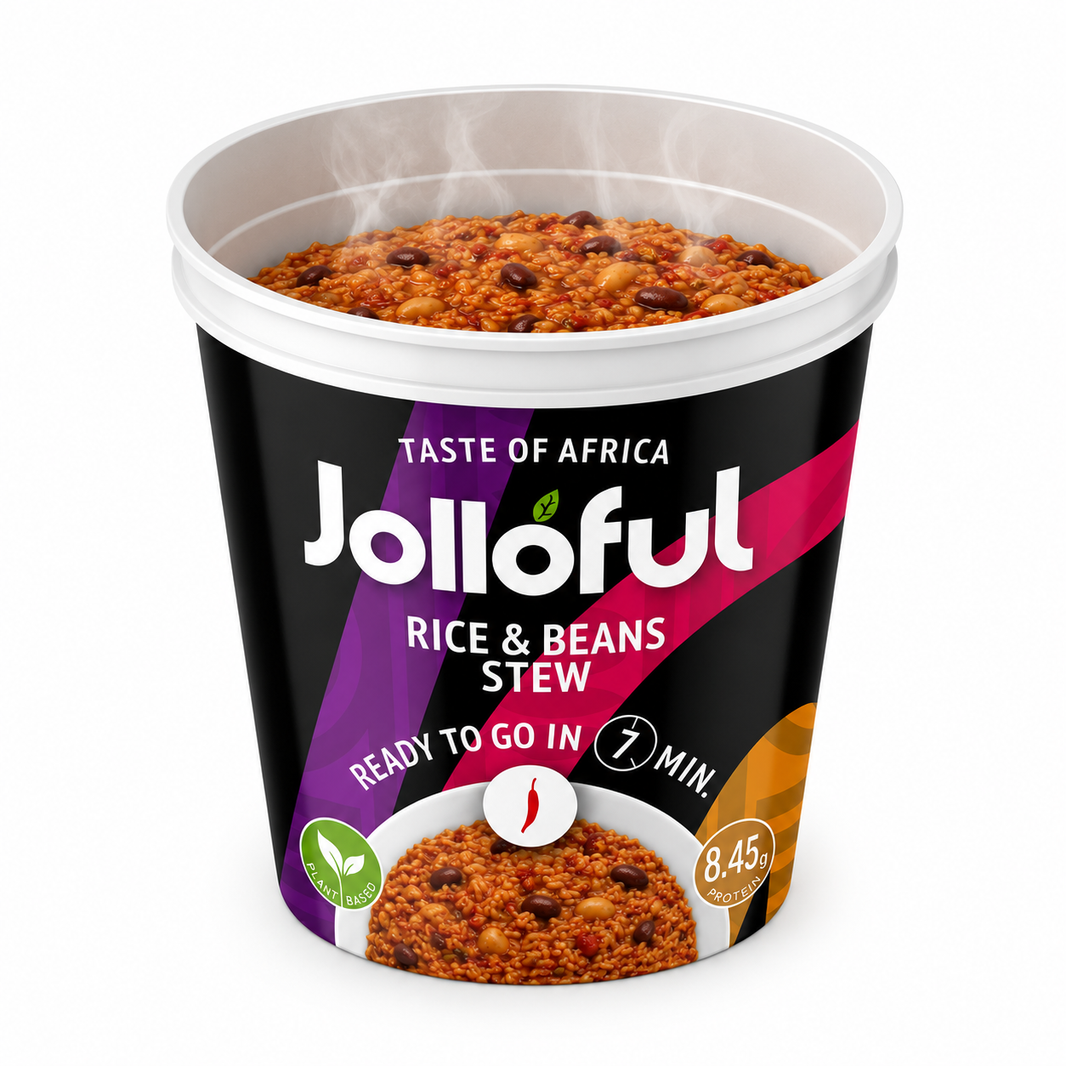
Jolloful offers packaged African meals for people who want a convenient dinner rooted in West African cooking. Its meals bring familiar staples such as rice, beans, and stew into a practical format for busy days.
Clean-label wording can mean different things between packaged meals, so it helps to focus on specific product details. Jolloful’s meals are made with real ingredients and no artificial preservatives. That gives shoppers a concrete point to consider, rather than relying on “clean label” as a broad promise about health or nutrition.
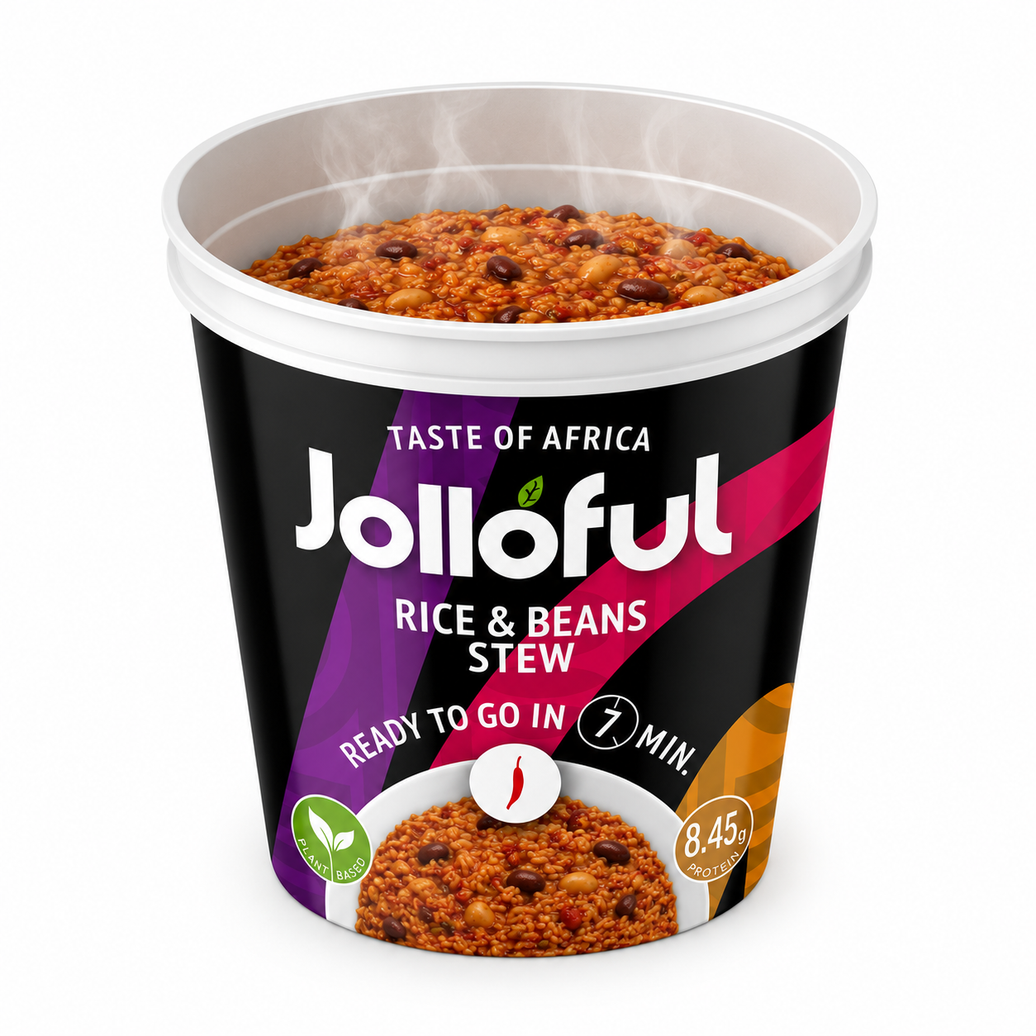
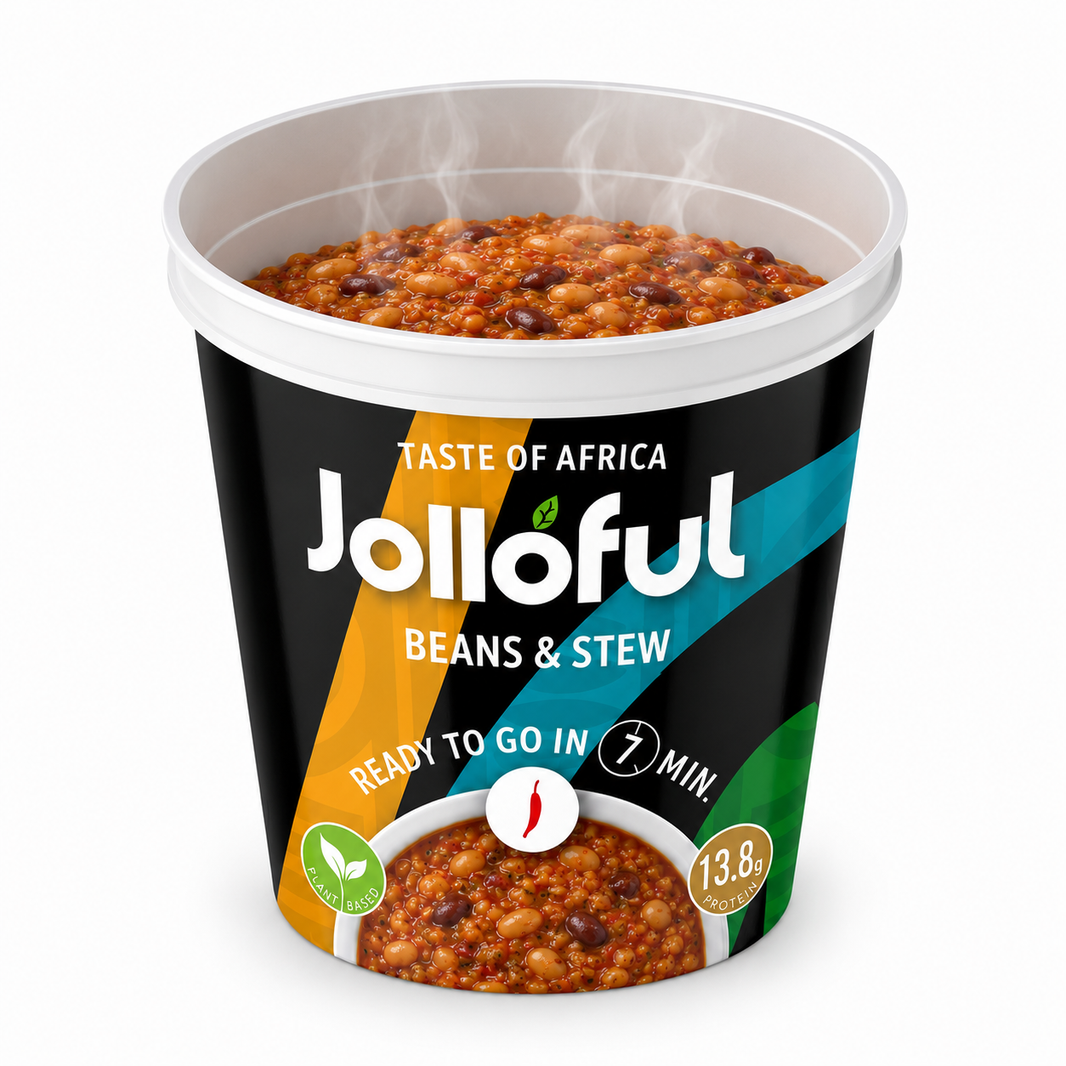
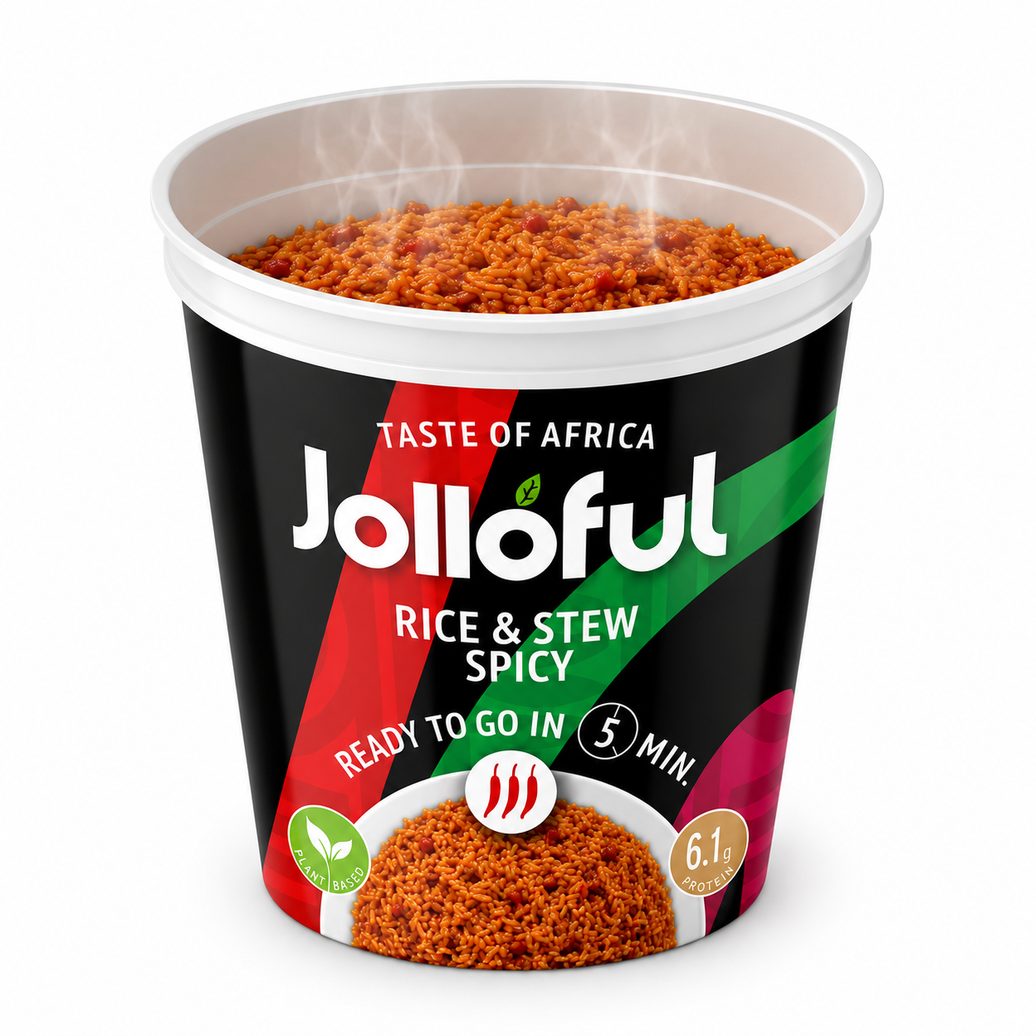
The range includes White Rice and stew (Mild), White Rice, beans and stew, Beans and stew, and White Rice and Stew (Spicy). These options suit different tastes, from milder to spicier stew, while keeping the meal grounded in familiar West African flavours.
Jolloful’s packaged meals are a practical fit when you want a quick dinner inspired by West African cooking, without preparing every part from scratch. Shelf-stable, ready-to-eat meals offer convenience for a workday dinner, a late arrival home, or a meal to keep in the cupboard. Their quick preparation makes it easier to bring a hearty rice, beans, and stew combination to the table.
For a thoughtful choice, consider what matters to you: ingredients, flavour, portion, and ease of preparation. The clean-label conversation is a reminder to look beyond front-of-pack language and understand what a product specifically offers. Jolloful focuses on packaged meals inspired by traditional West African recipes and made for modern routines.
If African flavours would make your next quick dinner more satisfying, contact Jolloful with your questions.
Frequently Asked Questions
Which ingredients and additives are considered undesirable in clean-label ready meals?
There’s no shared list of unwanted additives; preferences depend on the person and the meal. Some shoppers may avoid a particular colour or sweetener, while others focus on texture agents. An additive can serve a practical purpose, such as helping a sauce stay smooth. If one ingredient matters to you, identify its name and function rather than treating every additive as the same concern.
How can shoppers identify clean-label meals from ingredient lists and packaging claims?
Check what part of the product a claim describes. A front label might refer to one component, such as a sauce, rather than the whole meal. For a meal with rice, beans, and sauce, look for ingredient details for the product as sold, not just an image or phrase highlighting one component. This makes comparisons more specific and avoids reading more into a claim than it says.
Are clean-label packaged meals healthier or safer than conventional ready meals?
Not by definition. “Clean label” describes how a product is presented, while health and safe use involve different considerations. For a practical safety check, follow the package’s storage and preparation directions and pay attention to the seal’s condition. To judge nutrition, consider how the meal fits with the rest of what you eat that day. A marketing phrase can’t answer both questions.


Leave a comment