




A good West African flavours beginner guide should not begin with a warning about heat. It should begin with the aroma: onions softening in oil, tomatoes deepening into a rich base, ginger and garlic bringing lift, and a pepper sauce waiting to wake everything up. These are flavours with presence. They are layered, generous and built to make an everyday meal feel like something worth sitting down for.
West African food is not one single cuisine, and no one dish can represent a region that stretches across many countries, languages and food traditions. What connects many of its most loved flavours is a confident approach to seasoning, slow-built sauces, satisfying starches and food made to be shared. For a first-timer, that is good news: you do not need a specialist kitchen to start enjoying it.
West African flavours beginner guide: what to expect
Expect boldness, but not chaos. The best dishes balance savoury depth, sweetness from cooked onions or tomatoes, gentle smokiness, warmth from spices and, sometimes, proper chilli heat. A meal may taste rich before it tastes hot. That distinction matters.
A tomato and pepper base is one of the most familiar entry points. Cooked well, it is far deeper than a quick pasta sauce: sweet, tangy, savoury and intensely aromatic. It can carry rice, beans, vegetables, fish or chicken without ever feeling like an afterthought.
Then there is the brilliant contrast of texture. Think tender beans against fluffy grains, silky stews beside firmer dough-like staples, or crisp fried plantain next to a spicy sauce. West African cooking rarely asks one ingredient to do all the work. Each part of the plate brings something different.
Heat is adjustable, flavour is not
Chilli is important across many West African kitchens, but it is not a test of bravery. Scotch bonnet and similar peppers can bring fruitiness as well as fire, while dried chilli may taste earthier and more rounded. The amount used changes from home to home.
For beginners, start with a mild portion and add more heat gradually. What you should not skip is the flavour base around the chilli: onion, garlic, ginger, tomatoes, herbs, fermented seasoning and spice. Removing every source of warmth can make a dish feel flatter, not friendlier.
The flavour building blocks to know
You do not need to buy a cupboard full of unfamiliar ingredients on day one. A few building blocks will help you recognise what you are tasting and choose meals with confidence.
Onion, ginger and garlic
This trio does serious work. Onion provides sweetness and depth, ginger gives brightness with a slight peppery edge, and garlic adds savoury warmth. In many dishes, they are cooked down patiently rather than simply stirred in at the end. That time changes the whole character of the meal.
Tomatoes and red pepper
Tomatoes bring body and tang, while red peppers add a mellow sweetness. Together, they create sauces that are rich without relying on cream or excessive salt. When they are blended and cooked down, the result can be glossy, vibrant and full-bodied.
Beans, groundnuts and leafy greens
Beans are central to many comforting meals, offering substance as well as earthy flavour. Groundnuts can appear as a creamy, savoury base for sauces and stews, not just as a snack. Leafy greens bring freshness, bitterness or a soft, cooked texture depending on the recipe.
If you are used to meals where vegetables sit on the side, this can feel different. Here, greens and legumes often belong inside the main event, absorbing the sauce and contributing their own character.
Umami and fermented depth
Some traditional dishes use fermented ingredients or dried seafood to create a deep savoury note. For newcomers, this can be the most surprising part of the experience, especially if your frame of reference is mild ready meals. It is not meant to taste plain. It is meant to taste complete.
There is variation here. Some recipes lean more heavily on these ingredients than others, and modern versions may adapt them for different dietary needs. If you are vegetarian, vegan or avoiding particular allergens, check the ingredients rather than assuming a tomato-based dish is automatically suitable.
Start with dishes that give you a clear reference point
Your first meal should be approachable, not overly cautious. Look for a tomato-led grain dish, a bean-based meal, a peanut-rich stew, or a pepper sauce served with plantain or grilled protein. These give you a direct sense of the region's signature balance: savoury, warming, bright and satisfying.
A ready meal can be a smart place to begin, particularly on a busy weekday. The trade-off is that you are tasting one interpretation rather than learning the full cooking process. But convenience does not have to mean blandness or artificial extras. A well-made shelf-stable meal lets you understand the flavour profile first, then decide which dishes you want to cook from scratch later.
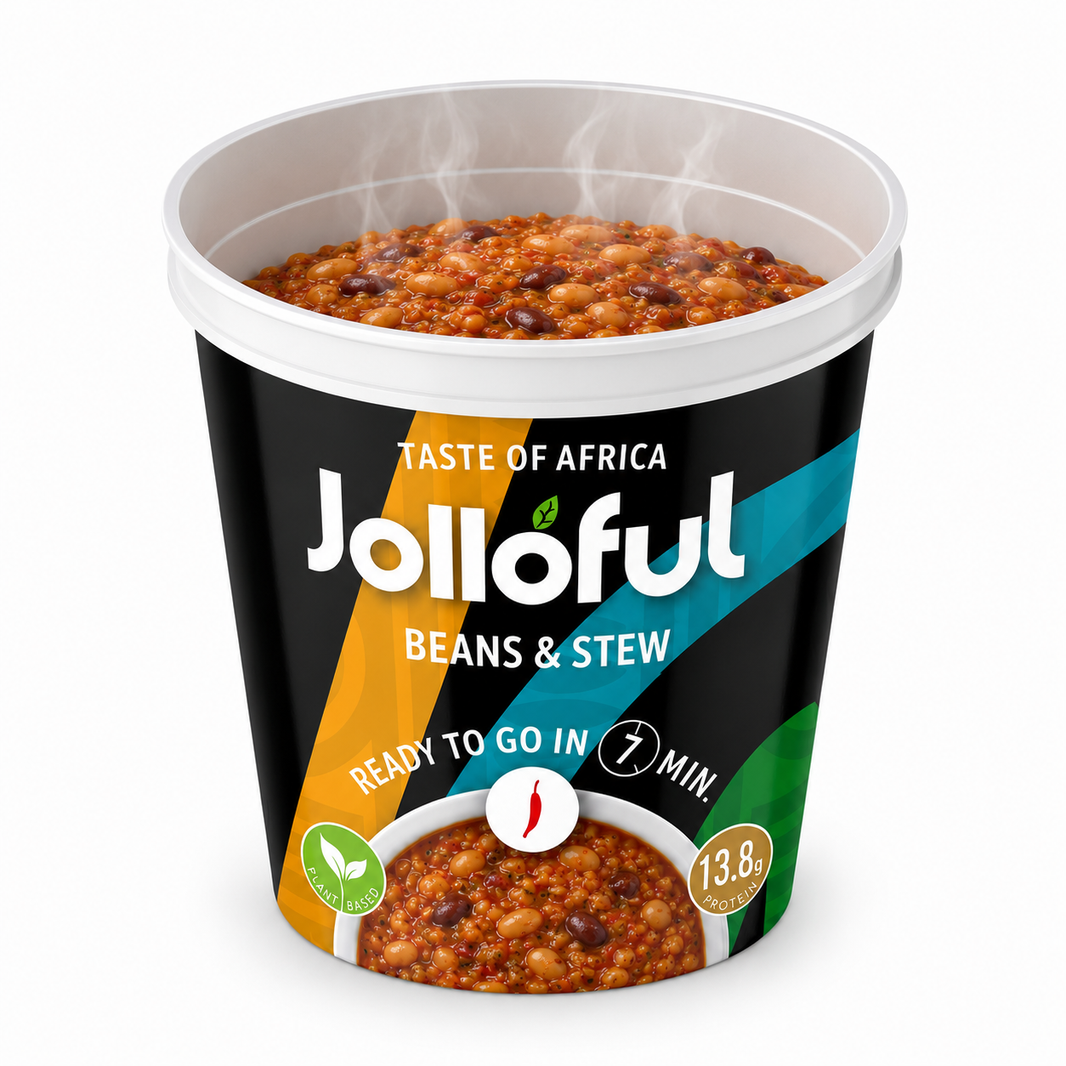
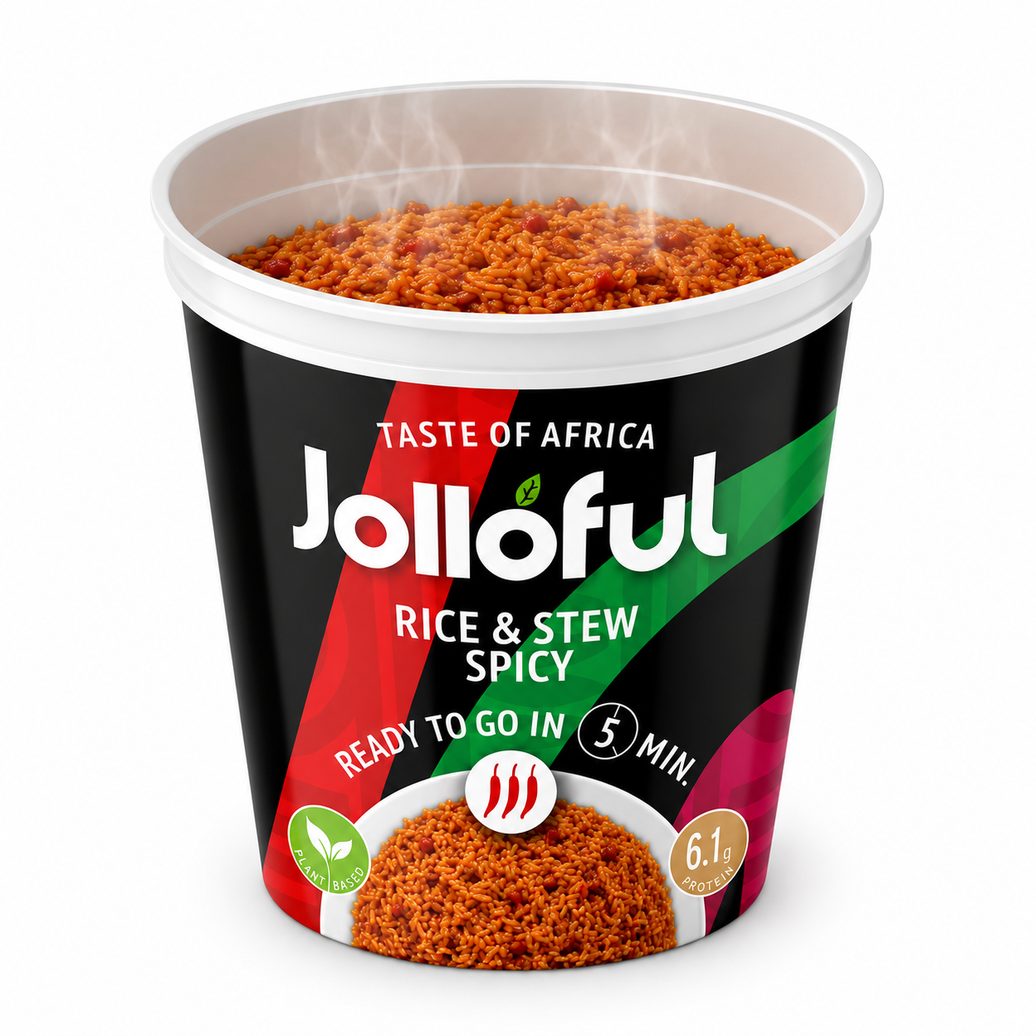
That is part of the thinking behind Jolloful: real, culturally rooted food that fits into a lunch break, a late train home or the gap between meetings. Five to seven minutes is enough time to eat something with actual flavour.
How to build your first West African-inspired plate
Keep the plate simple. Choose one saucy or seasoned centrepiece, add a satisfying base and include something fresh or crisp to cut through the richness. A peppery bean dish with rice and a cucumber salad works. So does a tomato-rich meal with fried plantain and sliced avocado.
Do not treat every component as if it needs another sauce. West African flavours are often already layered. A sharp squeeze of lime, fresh herbs or a spoonful of plain yoghurt can help if the chilli is lively, but the goal is balance rather than dilution.
If you are cooking at home, give the onions and tomato base time. This is where impatience shows. A sauce that has only just warmed through can taste acidic and thin; one that has cooked down tastes sweeter, rounder and more integrated. You do not need restaurant technique, only a little patience.
Common first-timer mistakes
The first is confusing spicy with salty. If a dish tastes too hot, do not automatically add salt. Add a cooling side, more rice, beans or vegetables, then adjust carefully. Salt cannot remove chilli heat, and over-salting can hide the flavours you were trying to enjoy.
The second is expecting every dish to taste the same. A coastal fish stew, a northern grain dish and a groundnut-based sauce may share certain foundations while feeling completely distinct. That variety is the point. Follow the ingredients and cooking style, not a fixed idea of what African food should taste like.
The third is treating plantain like an unripe banana. Ripe plantain is sweeter and softer, while less ripe plantain is starchier and more savoury. Both can be delicious, but they play different roles on the plate.
Let your palate lead
There is no correct first order, no required tolerance for chilli and no prize for choosing the hottest option. Start with the flavours that sound good to you: smoky tomatoes, creamy groundnuts, hearty beans, grilled meats, greens or sweet plantain. Then notice what you want more of next time.
West African food rewards curiosity. Keep a jar of pepper sauce in reserve, give your meal a few quiet minutes instead of eating it between notifications, and let the layered flavours do what they do best: turn a quick bite into a proper meal.


Leave a comment