


You don’t need a cupboard full of hard-to-find ingredients to begin cooking Nigerian food. The best Nigerian food for beginners to cook starts with familiar building blocks: tomatoes, peppers, onions, rice and beans. A rich tomato stew can bring them together, then go to the table with rice, beans or yam.
If Nigerian meals feel unfamiliar, start by seeing how the parts fit together. Many centre on a main dish, with regional ingredients and cooking styles bringing variety. Begin with a simple meal, then explore from there.
This guide introduces common ingredients and the way Nigerian meals are put together. You’ll find practical ideas for serving tomato stew and learn how soups, stews and soft swallows fit into different food traditions. The aim is to make a first meal approachable, with clear starting points and plenty of room to adapt the flavours.
Serving tomato stew with rice, beans, or yam
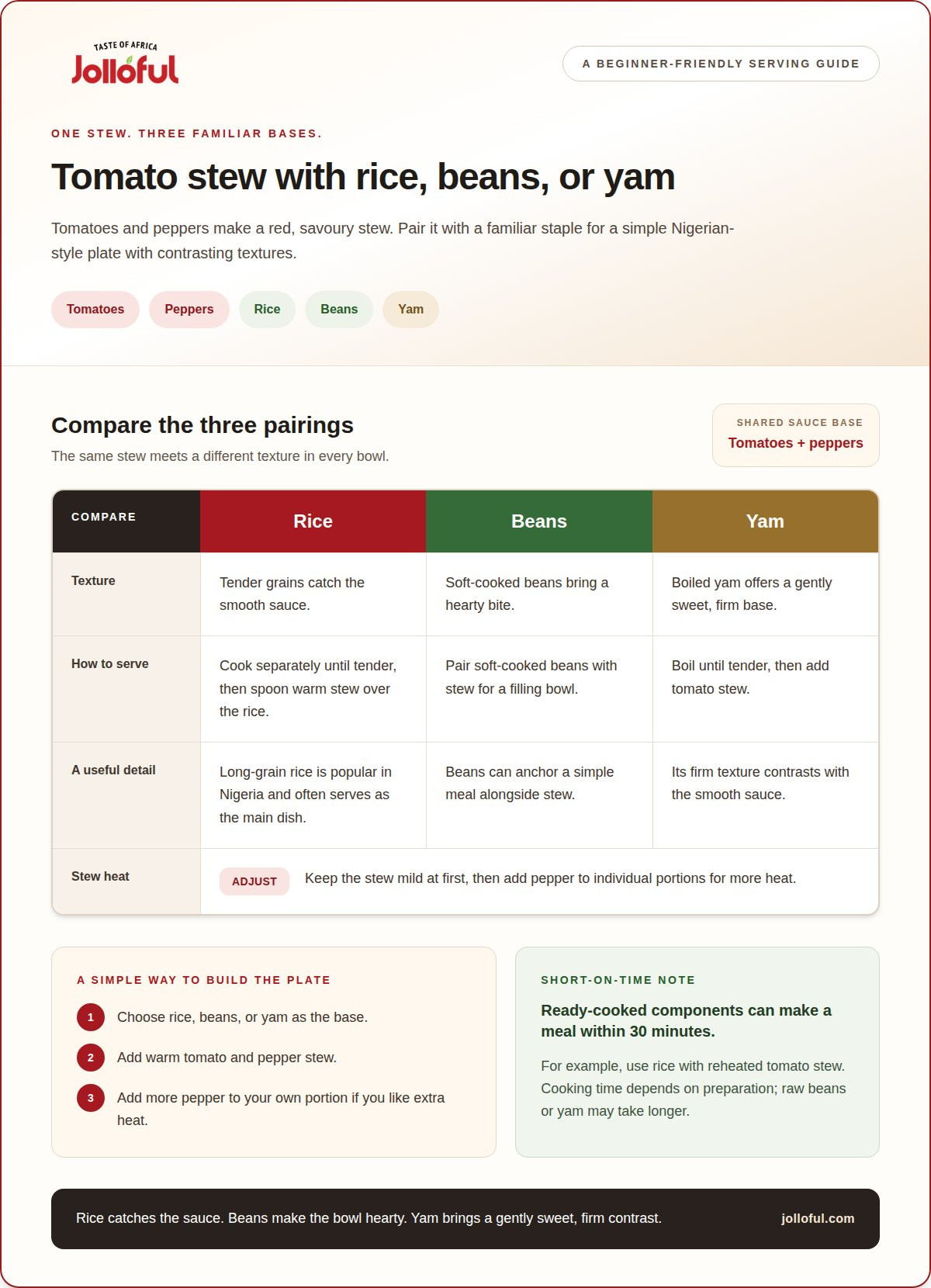
Nigerian tomato stew gets its red base from tomatoes and peppers. Serve it with rice, beans or yam for a simple meal with contrasting textures. Rice catches the smooth sauce, beans add a soft, hearty bite, and boiled yam offers a gently sweet, firm base.
To serve rice with tomato stew, cook the rice separately until tender, then spoon warm stew over it. Long-grain rice is popular in Nigeria and often serves as the main dish, not just a side. Keep the stew mild at first, then add pepper to individual portions for more heat.
Jollof rice is another beginner-friendly way to explore Nigerian rice dishes. Its base commonly includes rice, tomatoes, onions, pepper, salt, stock cubes and meat such as chicken, beef, turkey or fish. For vegan jollof rice, leave out the meat and add vegetables such as carrots and green beans. Use water and seasonings for the cooking liquid, and check that any stock cube is plant-based.
A simple vegetable soup is a practical Nigerian soup to start with. Build it on seasoned stock, pepper and leafy greens. Add beans or fish for protein if you like, and thicken it with ground leaves or seeds. Serve with rice or yam to keep the meal’s components familiar and distinct.
Egusi soup gets its creamy, nutty character from ground melon seeds. For a simple version, simmer the seeds with seasoned stock, pepper, leafy greens and a protein. Ground pumpkin seeds can thicken the soup if melon seeds are hard to find, though the flavour will differ.
For a meal within 30 minutes, choose dishes with cooked components ready to use, such as rice with reheated tomato stew or beans with pepper sauce. Akara, a Nigerian bean fritter, is another option when peeled beans are prepared ahead. Cooking time depends on preparation, so raw beans or yam may take longer.
- Rice: Serve plain rice beneath tomato stew, or cook jollof rice with tomatoes, onions, pepper, and vegetables.
- Beans: Pair soft-cooked beans with stew for a filling bowl.
- Yam: Boil yam until tender, then add tomato stew for a satisfying contrast.
When cooking meat or fish, keep raw ingredients separate from ready-to-eat food. Wash your hands and utensils after handling them, cook the protein thoroughly, and refrigerate leftovers promptly. These habits help keep stew and its rice, beans or yam safer to enjoy.
Commonly available ingredients
A practical pantry for Nigerian cooking can start with familiar staples: rice, beans, tomatoes, peppers, onions and root vegetables. In Germany, these ingredients make a useful base for exploring Nigerian home cooking without starting with a long list of specialist items.
Choose ingredients according to the meal you want to make. Rice and beans can anchor a simple plate, while yams or plantains add a different texture. Tomatoes and peppers create the red base used in many traditional stews, and onions deepen their savoury flavour.
- Rice and beans: Long-grain rice is especially popular in Nigeria, and beans also appear in dishes such as akara.
- Root crops: Yams, plantains, and sweet potatoes can be served as cooked staples or used in different regional meals.
- Tomatoes and peppers: These form the familiar red base of many Nigerian stews and sauces.
- Leafy vegetables: Ground leafy vegetables can thicken soups and add colour.
- Seeds and seasonings: Egusi uses ground melon seeds, while dried ground crayfish and red palm oil bring distinct savoury notes to some soups.
Staples vary by region. In southern, eastern and western Nigeria, swallows commonly use root crops and vegetables such as yams, plantains, sweet potatoes and breadfruit. In northern Nigeria, rice, millet, sorghum and corn are common cereal bases for swallows. These soft cooked doughs accompany soups and stews rather than being served alone.
Shopping in Germany can also shape your ingredient choices. For a first stew, use familiar fresh tomatoes, onions and peppers. Then, when a recipe calls for it, try a more distinctive ingredient such as red palm oil or dried ground crayfish. Ground pumpkin seeds can add body to soup if you want a nutty, creamy texture, though egusi’s characteristic flavour comes from melon seeds.
How much do ingredients for beginner Nigerian recipes cost in Germany? The total depends on what you already have in your pantry, how much you cook, and whether you choose fresh, dried or packaged ingredients. Rice, beans and onions can go into several meals, while specialist items such as red palm oil or dried ground crayfish affect the basket differently.
Build a flexible cupboard around ingredients you’ll use in more than one dish. Rice can pair with stew or form the base of a rice meal; beans work in a bowl or as akara. For a ready-to-eat option alongside home-cooked staples, browse the African meal selection.
How Nigerian meals are structured
Nigerian meals generally centre on a main dish rather than arriving as several separate courses. A plate might bring together a staple, a soup or stew, and protein. The components work together: the staple provides a base, while the sauce adds moisture, seasoning and heat.
Rice can take centre stage, served as a dish in its own right. A soup meal follows a different rhythm: the soup comes with a soft swallow, a cooked dough eaten with the fingers. Each bite combines a small piece of swallow with soup, so the two are designed to be eaten together.
That pairing helps explain why Nigerian soups can be thick and richly seasoned. A pot may start with seasoned stock, then combine plant, seafood or animal proteins. Ground leafy vegetables, legumes, gums, nuts or seeds can add body. Red palm oil, fish powder, dried ground crayfish and stock cubes bring savoury depth to some versions.
- Rice with stew: Rice carries the meal, while tomato and pepper stew brings colour and a savoury, spicy layer.
- Egusi soup with swallow: Ground melon seeds give egusi its creamy, nutty flavour; regional seasoning changes its character.
- Beans with a sauce: Beans give the bowl substance, while pepper sauce or stew adds moisture and flavour.
- Akara at breakfast: These bean fritters can form a meal at home or appear as Nigerian street food.
Regional variation shapes what fills the plate. Nigerian dishes can differ in seasoning, ingredients and preparation while keeping their essential character. Egusi soup, for example, has regional versions rather than one fixed formula. A cook’s choice of greens, protein and seasoning can change the final taste.
Swallows also reflect local ingredients. In southern, eastern and western Nigeria, they may draw on root crops and vegetables; northern versions often use cereals. Eba and lafun both come from cassava meal, but processing gives them different appearances and tastes. Most swallows are cooked in water without added sugar or salt, allowing the main ingredient’s flavour to come through.
For your first meal, think in pairings rather than courses. Choose a main dish such as rice or egusi soup, then add a staple that suits it. This simple structure makes Nigerian home cooking easier to understand, while leaving room for regional flavours and personal preference.
If you are unsure what to try, start with a familiar flavour or texture. Rice with stew offers a straightforward introduction to tomato and pepper seasoning, while egusi brings a creamy, nutty note. For a soup meal, choose a swallow that appeals to you and take small bites with the soup to experience how the textures work together.
As you explore, notice how a change in greens, protein or seasoning can alter a soup without changing its name. These details make each cook’s version distinctive. They also offer an easy way to discover the range of Nigerian home cooking, from one plate to the next.
Nigerian and West African cuisine
Nigerian food reflects many regional traditions, not one fixed menu. A dish can vary in seasoning, ingredients or cooking method while keeping its essential character. That variety gives beginners a useful way to explore: learn one dish, then notice how another version changes its aroma, texture or heat.
Rice dishes show how familiar ingredients can take distinct forms. Nigerian fried rice is a popular rice dish, often made with vegetables and seasoning. A Nigerian-style basmati version uses basmati instead of long-grain rice, while ginger coconut rice brings ginger and coconut flavour to a dish similar to fried rice. These examples show how one staple can carry different seasonings and textures.
Street food and home cooking both have a place in Nigerian food culture. Akara, made from beans, can be breakfast at home or a street-food snack. It also has a direct culinary connection to Afro-Brazilian acarajé. Puff puff is deep-fried dough; Nigerian buns use baking powder rather than yeast for leavening. Each offers a different bite, from airy puff puff to a firmer bun.
Other dishes transform simple ingredients in distinctive ways. Masa can be made from fermented rice batter and shallow-fried in a special pan called a kasko. Dodo, or fried plantain, is often served as a crowd-pleasing dish. Gizdodo combines chicken gizzard, fried plantain and spicy tomato stew, bringing crisp, chewy and saucy textures together.
- For a yam meal: Locust beans stew, also called Obe Ata Iru, is a Yoruba-style fried stew paired with boiled yam.
- For a flexible sauce: Nigerian pepper sauce made with sweet bell peppers can accompany yam, rice, plantain, potatoes, pasta, or bread.
- For a smoky flavour: Nigerian smoked turkey stew uses smoked turkey as its main protein in a pepper-based sauce.
These dishes also show why regional context matters. Obe Ata Iru is associated with Yoruba cooking, while variations across Nigeria preserve local preferences in ingredients and seasoning. Pepper sauce served with boiled yam offers a different experience from gizdodo, where fried plantain meets gizzard and tomato stew.
To explore this variety without treating every dish as interchangeable, focus on its defining ingredient and preparation. Fermented rice batter sets masa apart; beans define akara; smoked turkey gives its stew a distinct centre. These details help beginners recognise what makes each dish Nigerian while appreciating the wider West African mix of flavours and cooking traditions.
What are the easiest Nigerian dishes for beginners to cook?
Tomato-based dishes are a practical starting point because tomatoes are easy to find in many places. If you’re choosing Nigerian food for beginners to cook, a simple stew offers a clear way to practise seasoning and adjust the pepper level.
Cook rice separately while the stew simmers. This keeps the process manageable: soften the sauce ingredients, season the stew, and let the flavours come together. If the sauce tastes sharp, cook it longer before adding more seasoning.
Spaghetti jollof brings a Nigerian-style tomato base to a familiar pasta shape. It can include tomatoes, carrots, green beans and corned beef. Cut the vegetables into small pieces so they cook evenly, then add the spaghetti to the sauce so it absorbs the flavour.
- Tomato stew with rice: Spoon the sauce over plain rice for a straightforward meal.
- Spaghetti jollof: Combine pasta with tomato sauce, carrots, and green beans.
- Pepper sauce: Serve a sweet bell pepper sauce with bread, potatoes, yam, or rice.
- Dodo: Fry ripe plantain until its edges turn golden for a sweet, savoury side.
- Akara: Make bean fritters with a crisp outside and soft centre.
Choose a dish based on the technique you want to practise. Tomato stew teaches you to cook down a sauce; spaghetti jollof combines pasta and vegetables; dodo builds confidence with frying. Akara takes extra preparation because the beans need peeling and blending before frying.
For a plant-based meal, leave out corned beef in spaghetti jollof and build flavour with tomatoes, onions, pepper, carrots and green beans. Vegan jollof rice can use vegetables and plant-based stock or water. Check seasoning ingredients, since some stock cubes contain animal products.
Start with one dish and keep the seasoning simple. Add a new vegetable or adjust the pepper as you learn which flavours you enjoy. If you want a convenient African meal alongside your cooking, browse the African meal options.
For your first session, choose one main task at a time: cook a stew sauce until softened, or prepare vegetables before adding spaghetti. Keep rice plain and separate while practising stew, and taste before making small seasoning adjustments.
Then try a different technique. Dodo lets you practise frying ripe plantain, while akara requires peeling and blending beans before frying. For a plant-based pasta dish, leave out the corned beef in spaghetti jollof. Vegan jollof rice can use vegetables and plant-based stock or water; check seasoning ingredients for animal products. Keep the other steps straightforward as you practise.
Jolloful
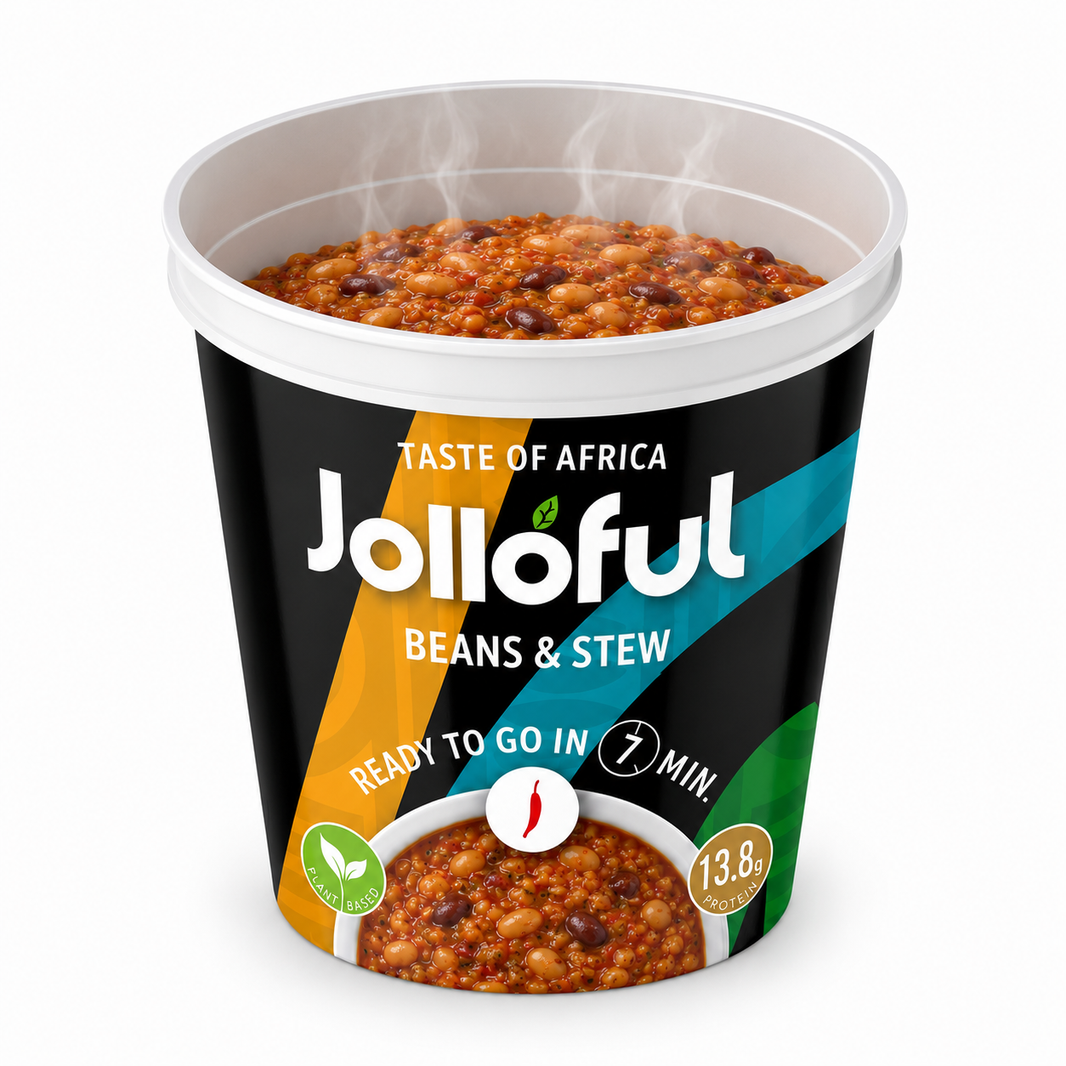
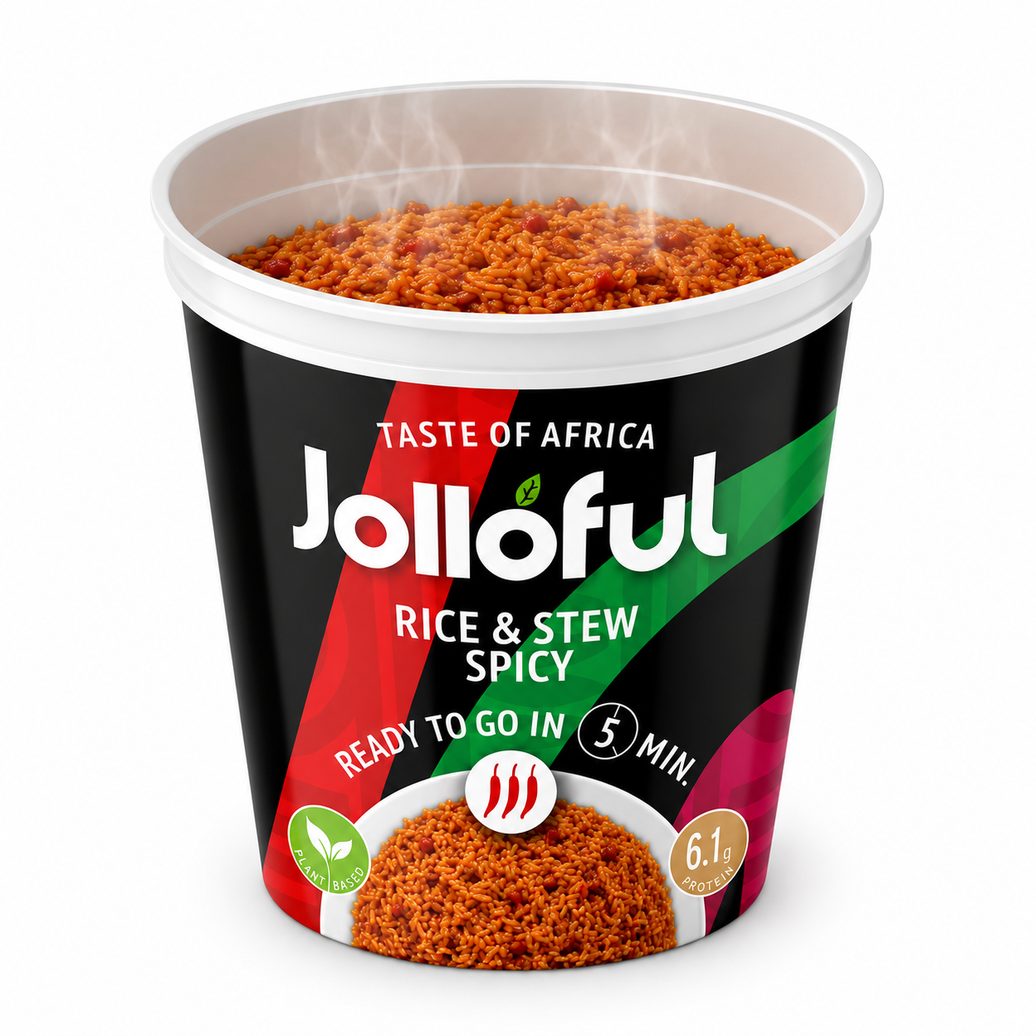
Jolloful offers a convenient way to enjoy Nigerian flavours while you explore home cooking. Its packaged meals include White Rice and stew (Mild), White Rice and Stew (Spicy), White Rice, beans and stew, and Beans and stew. Choose a rice or beans combination when you want a ready-to-eat meal alongside your cooking practice.
These meals offer a practical taste of familiar Nigerian pairings, especially rice or beans with tomato stew. They suit busy days when you want African food without preparing every component from scratch. Your own pot of stew can still be the place to practise adjusting pepper, seasoning and texture.
Contact Jolloful to ask about its Nigerian meal options.
Make your next meal your own
Let your first Nigerian meal be a starting point, not a test. Pick one familiar ingredient, try a new seasoning and notice how each choice changes the dish. The best Nigerian food for beginners to cook is food that makes you curious enough to return to the kitchen and explore another flavour.
On busy days, Jolloful offers a ready-to-eat way to enjoy Nigerian food without preparing every part yourself. Options include White Rice and stew (Mild), White Rice, beans and stew, and Beans and stew. These familiar combinations leave room for your own cooking experiments to grow at your pace.
Keep exploring through small choices: a different pepper level, a new vegetable or a side you haven’t tried before. Each meal can teach you something about the tastes and textures you enjoy. Start simply, stay curious and let Nigerian food find a place in your regular cooking rhythm.
Frequently Asked Questions
How do you cook Nigerian fried rice for beginners?
Start with cooked, cooled rice, a pan and chopped vegetables such as carrots and green beans. Fry the vegetables in a little oil until tender but still bright. Add seasoning, then stir in the rice and heat it through. Taste before serving and adjust the salt or pepper. Basmati rice also works for a Nigerian-style version, bringing a distinct texture to the plate.
What basic cookware and spices are needed to cook Nigerian food at home?
A lidded saucepan, a frying pan, a knife, a chopping board and a sturdy spoon cover many beginner dishes. Keep salt, pepper, onions and stock cubes nearby for everyday seasoning. Red palm oil and dried ground crayfish add distinctive flavour to some soups, while a blender helps prepare smooth tomato and pepper sauces. Start with a small selection of spices, then add ingredients as recipes call for them.
What ingredients are needed for jollof rice, and how do you make it step by step?
Use rice, tomatoes, onions, pepper, salt, stock cubes and optional meat such as chicken, beef, turkey or fish. Cook the rice with the tomato mixture, water and seasonings. For a vegan version, omit the meat and add vegetables such as carrots and green beans, using a plant-based stock cube.


Leave a comment