
A West African meal plan can bring deep, comforting flavor to the week without making every meal a cooking project. An African meal prep delivery service generally lets you choose meals, then receive prepared portions to store and enjoy at home. The menu, delivery schedule and storage instructions depend on the service and the type of meal.
Choosing meals is easier when you know what’s on the menu and how they fit your routine. Rice and stew make a familiar, satisfying combination, while beans add another hearty option. Spice level matters too, especially if you’re sharing meals with people who prefer different amounts of heat.
This guide explains how African meal prep delivery works in Germany and the UK, which West African dishes to look for, and how to understand storage and preparation instructions for packaged meals. You’ll also find practical ways to choose meals around your schedule, appetite, and preferred flavors, so the week feels rooted in tradition and simple to manage.
How long do the west african meals stay fresh?
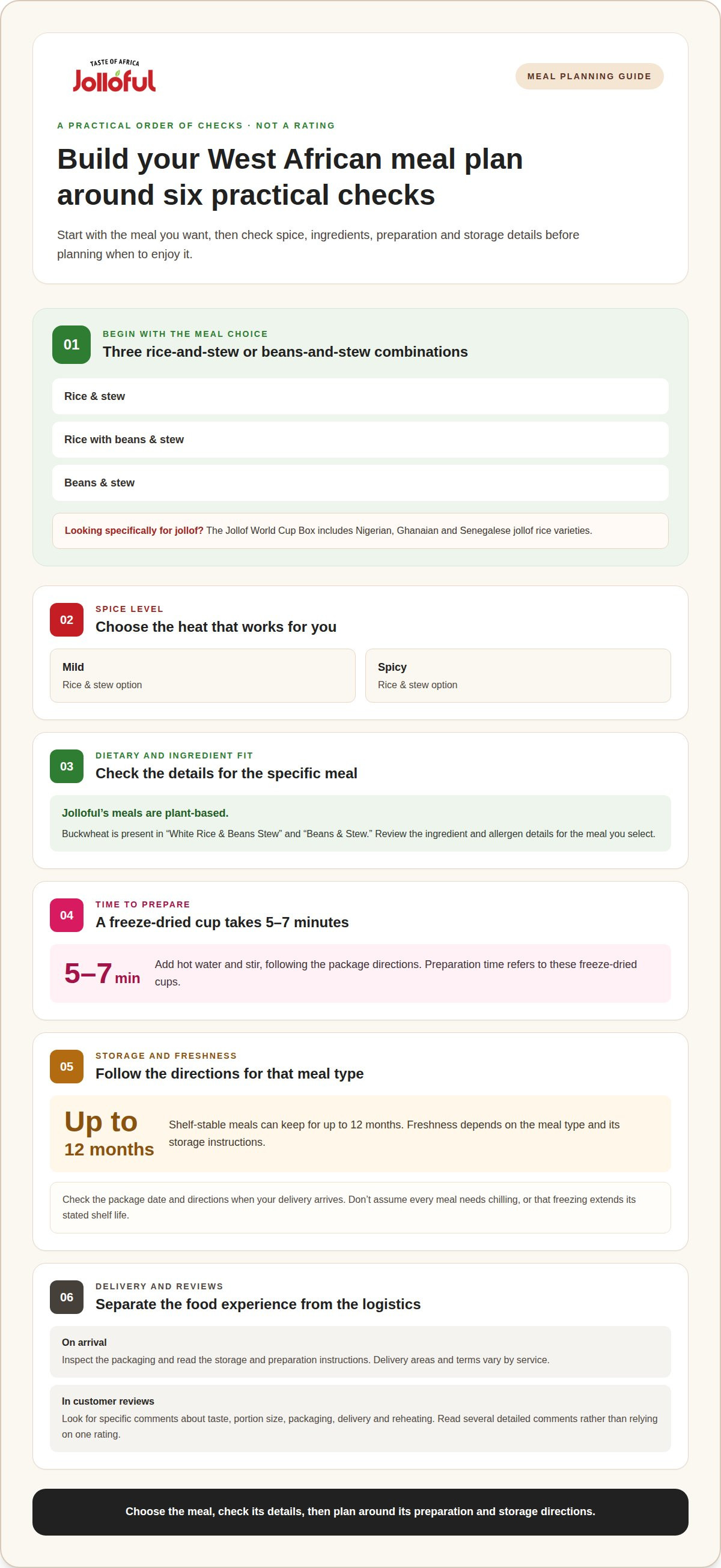
Freshness depends on the meal type and its storage instructions. Freshly prepared food and shelf-stable, freeze-dried meal cups need different handling. Shelf-stable meals can keep for up to 12 months. Check the package date and directions when your delivery arrives, then store each meal as instructed.
A shelf-stable meal doesn’t need the same fridge or freezer routine as fresh food. Don’t assume that every delivered meal must be chilled, or that freezing extends its stated shelf life. For a freeze-dried meal cup, follow the package directions. After opening, use any storage guidance printed on the pack.
The packaging protects meals during transport, while the label explains how to store and prepare them. When your parcel arrives, inspect the packaging and read the instructions before putting the meals away. If you’re planning lunches for a household, keep the cups together and use the printed dates to decide which meal to prepare first.
How much does African meal prep or meal delivery cost in Germany? The total depends on the provider, meal format, portion choice, and delivery terms. Review the final order total before paying, since local delivery and packaged meal shipping can have different charges.
Which African meal prep and meal delivery services operate in Germany? Options include local food businesses and packaged-meal sellers. Their menus and ordering methods differ. A local service may offer prepared dishes, while packaged meals can be stored and prepared later according to their instructions.
Which German cities do African meal delivery services cover? Local delivery areas depend on the service and its courier routes. Jolloful offers packaged meal shipping in Germany, so you can check whether your address is covered during checkout. This parcel-based option differs from restaurant delivery, which usually depends on a local delivery area.
Which services deliver African meals nationwide in Germany? Packaged-meal sellers with Germany-wide shipping can deliver beyond one city; local restaurant delivery usually depends on its courier area. Delivery packaging and storage instructions matter, especially when meals need a particular handling method on arrival.
For a quick meal, the listed preparation time for these freeze-dried cups is 5-7 minutes, not 20 minutes. Add hot water and stir, following the package directions. That makes a cup practical for an individual lunch or a simple meal at home, without treating it like freshly cooked food that needs a separate cooking session.
What west african dishes do you offer?
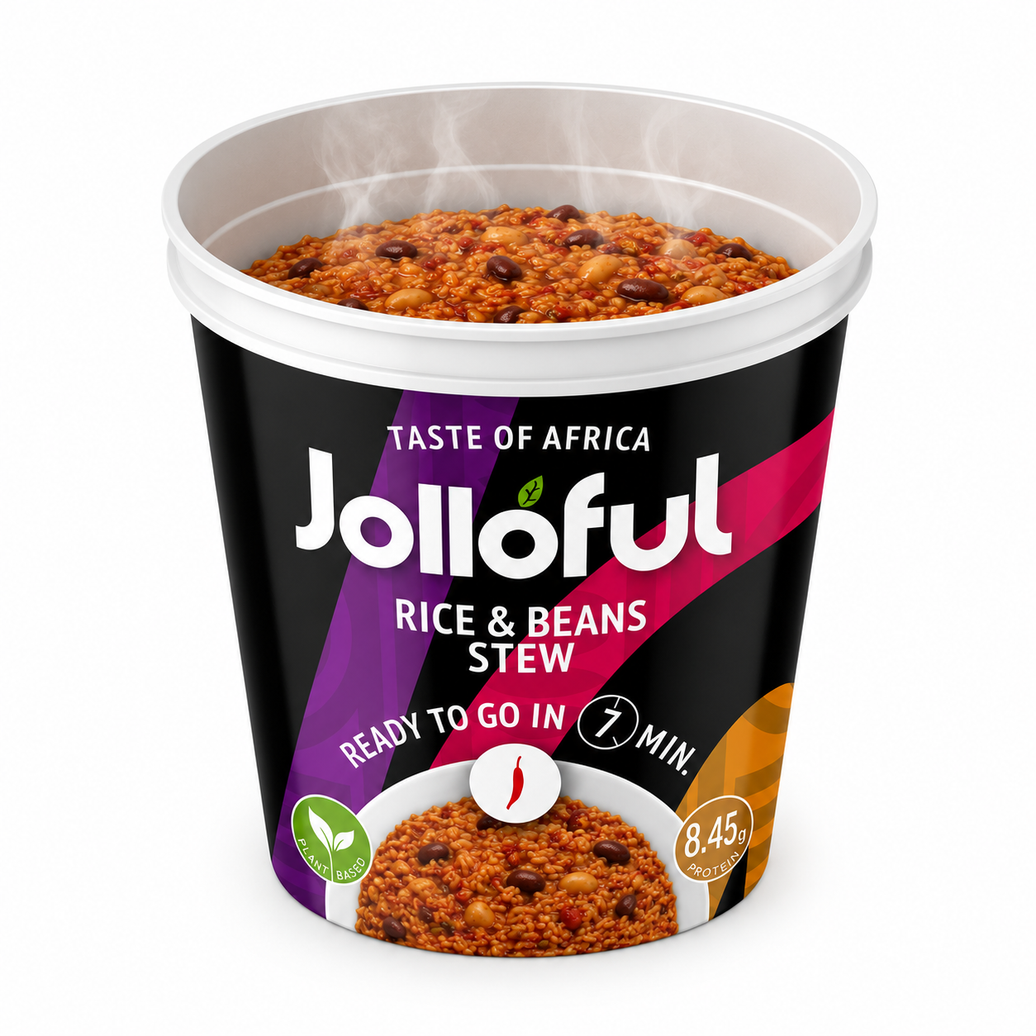
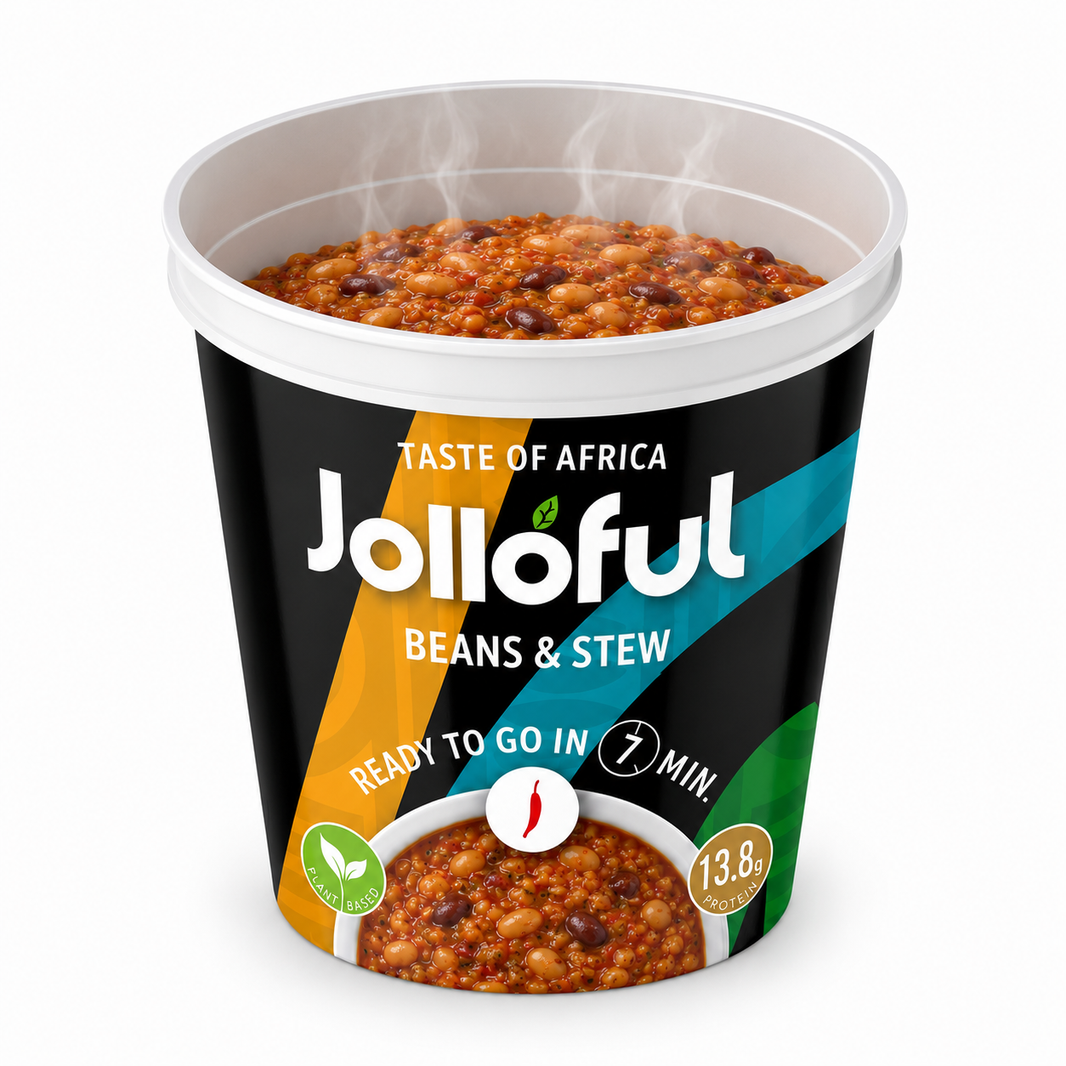
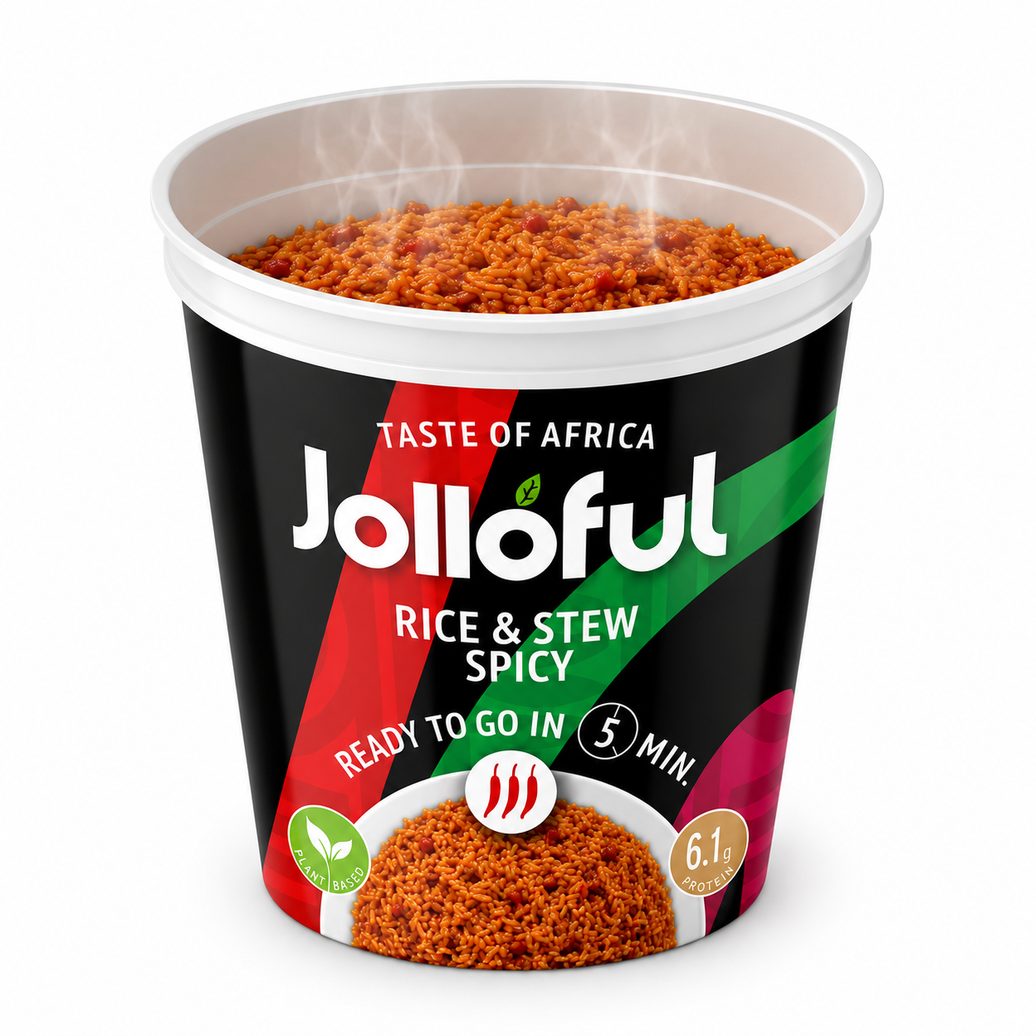
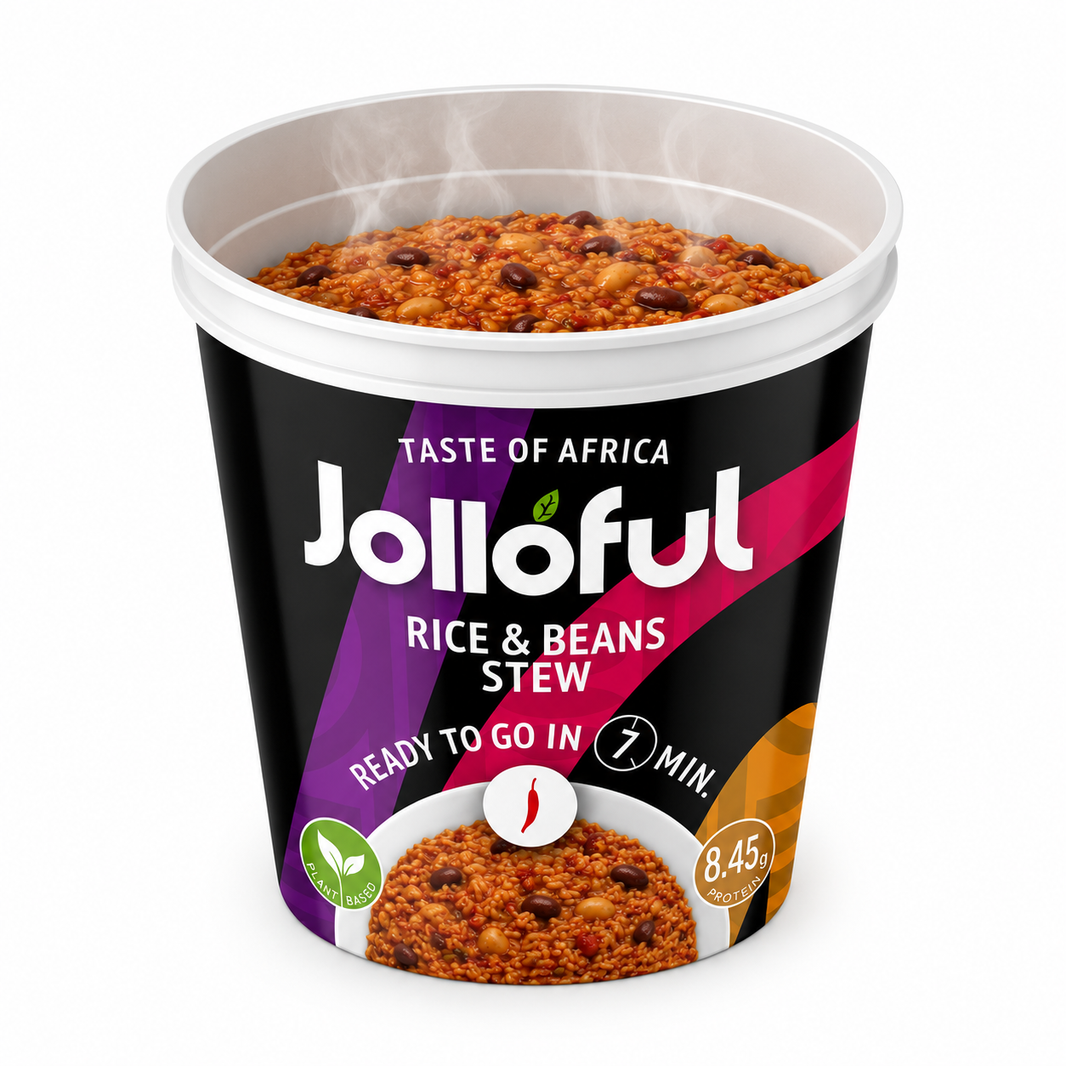
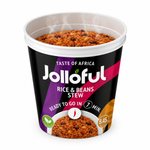
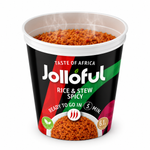
Jolloful’s meal choices include rice and stew, rice with beans and stew, or beans and stew. The rice-and-stew option comes in mild and spicy versions. These are the specific meals to consider when planning, rather than assuming every dish from West African cooking appears on the menu.
West African food includes many traditions and dish types. Soups, stews, rice dishes, and small chops all have a place in the region’s varied food cultures. That wider culinary landscape can help you explore the cuisine, but it’s distinct from Jolloful’s menu, which focuses on rice, beans, and stew combinations.
To choose between the meals, start with the base you feel like eating. Pick rice and stew for a straightforward rice meal, rice with beans and stew for both staples together, or beans and stew when you want beans at the center. If spice matters, the mild and spicy rice-and-stew options make that choice clear.
Do German African meal delivery services offer vegetarian, vegan, halal, or allergen-friendly options? Menus and ingredient details vary by service and dish. Jolloful’s meals are plant-based. Buckwheat is present in the “White Rice & Beans Stew” and “Beans & Stew” meals, so review the ingredient and allergen details for the specific meal you select.
How can I order African meal prep in Germany, and what are the payment and cancellation rules? Choose a listed meal or pack through the ordering process, then review checkout terms before paying. Payment methods and cancellation rules depend on the seller’s terms, so use the details shown for the order rather than assuming local restaurant delivery rules apply.
“Chef-prepared” describes who makes a dish, not a particular recipe or menu. Likewise, bulk ordering describes order size, not an additional Nigerian dish. For a larger order, base your selection on the listed meals and the portions available through the ordering options.
Moroccan dishes and seasonings belong to a different regional food tradition from West African meals. A broad African food menu may include dishes from several regions, but regional labels matter. Jolloful’s choices are rice, beans, and stew combinations, so you can select based on your preferred base and spice level.
The Jollof World Cup Box includes Nigerian, Ghanaian and Senegalese jollof rice varieties. It brings these named varieties together in one box, making the selection relevant if you are looking specifically for jollof rice. The regional names are useful to keep in mind when comparing the box with the rice, beans and stew combinations described above. Rather than assuming the box is an unspecified single style of jollof, you can note that it includes varieties identified with Nigeria, Ghana and Senegal. This gives you a distinct option to consider alongside the other meals, while keeping your choice focused on the dishes actually listed.
Customer reviews
Customer reviews can reveal how an African meal service performs beyond its menu descriptions. Look for specific details about taste, portion size, packaging, delivery, and reheating. A review that mentions a peppery stew arriving sealed gives more useful context than a short rating without explanation.
Read several comments rather than relying on one glowing or critical post. For example, compare feedback about rice texture across different customers. One person may prefer softer rice, while another expects separate, firm grains. Specific preferences help explain why experiences differ without making one review the final verdict.
Separate comments about food from comments about logistics. A review may praise the seasoning but mention a delayed parcel. Another may describe careful packaging but find a dish too mild. These details relate to different parts of the experience, so assess them separately before deciding what matters most for your meals.
Useful reviews often describe a real eating occasion. A customer might explain that a portion worked for a desk lunch or that a stew paired well with rice at home. Such examples help you judge whether the serving style suits your routine, though they don’t establish how every household will experience the same meal.
Check dates and detail. Recent comments can give a clearer picture of current service than older posts, while a specific dish name helps you assess the meal itself. Look for repeated, independent comments about the same point, such as clear preparation instructions. Avoid treating one unusual experience as proof of a general pattern.
- Flavor: Does the reviewer describe spice, salt, or seasoning clearly?
- Portion: Do they explain whether the serving suited lunch or dinner?
- Packaging: Do they mention seals, leaks, or condition on arrival?
- Preparation: Do they say whether the heating directions were easy to follow?
- Delivery: Do they describe the arrival and handling of the package?
For West African food, cultural familiarity can shape a review. Someone who grew up eating Nigerian home cooking may compare a dish with family recipes. A first-time diner may focus on spice or unfamiliar ingredients instead. Both perspectives can help, as long as you notice what each reviewer values.
Use reviews as one part of your decision, alongside the menu, ingredient information, and storage directions. If you’re choosing meals for a household, look for comments from people describing similar needs, such as shared dinners or individual lunches. A practical review gives context, not a guarantee of your own experience.
Flexible delivery schedules
A useful meal delivery schedule fits the way you shop, cook, and store food. In Germany, delivery arrangements vary by service. Some meals arrive through local couriers, while packaged food may use parcel shipping. The ordering page explains the available delivery options for that specific order.
Start by separating three dates: when you place an order, when it is dispatched, and when it is due to arrive. These dates can differ. For example, ordering on Monday does not automatically mean Monday delivery. Read the checkout details before paying, especially if you need meals for a planned work lunch.
Next, match delivery timing to your week. Someone working from home on Tuesday may prefer an arrival then, while a household hosting dinner on Friday needs meals beforehand. If the service provides a delivery window, choose one that suits your routine. If it shows only an estimated date, plan around that information instead.
Weekly plans and one-time orders also work differently. A recurring plan can suit someone who wants meals arriving on a regular schedule. A one-time order may fit a busy week or a first taste of West African food. Before selecting either, review how the service handles order changes, skipped deliveries, and cancellations.
Household size affects the best delivery rhythm. A person ordering individual lunches may use meals steadily across the week. A family buying several portions may need more fridge or freezer space on arrival. Consider when everyone eats, then choose an order size and arrival date that prevent food from sitting unused.
Travel plans matter too. If you’ll be away when a parcel arrives, the delivery date may not suit you. Consider a week when someone can receive the package and store the meals promptly. For shared households, agree who will bring the delivery inside and put away chilled or frozen items.
- Before checkout: Review the delivery date, address, and any displayed time window.
- For recurring orders: Read the terms for changing or skipping a scheduled order.
- For a one-time order: Pick a week when you can receive and store the food.
- After dispatch: Follow the delivery information provided for that parcel.
Flexible does not always mean same-day, weekend, or on-demand delivery. Those options depend on the service and delivery method. Jolloful ships shelf-stable meal cups, so they don’t require chilled or frozen handling on arrival. Check the stated delivery arrangements against your calendar before ordering.
A simple weekly routine helps: choose meals, select a delivery timeframe that fits your plans, and make room to receive the parcel. That approach makes African meal prep delivery easier to coordinate with work, school, and shared dinners, without assuming every service follows the same schedule.
Choosing a weekly meal plan
A good weekly plan starts with the meals you actually need. List the days you expect to eat at home, then mark lunches and dinners separately. Someone working from home may want lunch portions, while a household may need meals for shared evenings. This simple count helps prevent ordering more than you can use.
Next, match the pack to your appetite and household size. A single diner may prefer individual meals that are easy to prepare when needed. For family meals, consider whether everyone wants the same dish or different spice levels. A mild stew can suit a shared table, while a spicy choice may work better for those who enjoy more heat.
Menu variety matters, but so does familiarity. If West African food is new to you, begin with a dish built around rice and stew. If Nigerian home cooking is already familiar, choose flavors you enjoy and add another option for contrast. A mix of mild and spicy dishes can keep the week interesting without changing every meal.
Check preparation details before selecting a plan. Look for portion information, storage instructions, and the heating method for each meal. If lunch breaks are short, a meal with straightforward preparation may fit better than one requiring extra ingredients or cooking steps. Keep the package instructions available so each dish is prepared as intended.
Storage space shapes the right order, too. A small fridge may suit meals planned for near-term use, while freezer space can help with meals intended for later. Consider the delivery day and your household’s schedule together. A plan that arrives before a busy workweek may be convenient, but only if someone can receive and store it.
Budget the plan around the full order, not an imagined price per meal. The total depends on the dishes, portions, and order format shown during checkout. Review those details before placing the order. If you’re comparing plans, weigh convenience, variety, and how much food your household can realistically use.
- Count your meals: Note which lunches or dinners need planning.
- Choose portions: Match serving sizes to the people eating.
- Balance flavors: Consider mild, spicy, and familiar dishes.
- Plan storage: Make room in the fridge or freezer.
- Review checkout: Read the order total and delivery details.
A weekly meal plan should support your real routine, not an ideal one. Start with the meals you’ll use, choose flavors that suit your table, and plan around delivery. That makes African meal prep delivery easier to manage and more satisfying to enjoy.
Jolloful
Jolloful gives you a practical way to enjoy West African flavors at home, with packaged meals for quick preparation. It suits anyone planning convenient meals and looking for familiar rice, beans, and stew combinations.
Jolloful’s menu includes White Rice and stew (Mild), White Rice, beans and stew, Beans and stew, and White Rice and Stew (Spicy). Choose a milder flavor, a spicier meal, or a hearty beans-based option to suit your routine.
If you’re choosing meals for the week, consider which combinations fit your appetite and storage space, then review the preparation and delivery details before ordering. For questions about Jolloful meals or your order, contact Jolloful.
Make room for West African flavor in your week
Start with the meal you most want to enjoy, then fit it into your routine. A planned lunch or dinner can bring the warmth of West African flavors into an ordinary day without making the week feel complicated.
Jolloful’s packaged meals offer a convenient way to enjoy African food at home. Choose what suits your appetite, set aside a moment to prepare it, and let a comforting meal become part of your week.
Good food can make a familiar routine feel special. Explore Jolloful’s African Food Variety Packs and choose the West African flavors that feel right for your table.
Frequently Asked Questions
How does it work?
Choose an 8-meal or 12-meal variety pack, place your order, then prepare a portion when you’re ready to eat. Each freeze-dried meal cup is made ready by adding hot water and stirring for 5-7 minutes. For a work lunch, you can prepare a cup at home and take it along, following the product’s preparation directions. The packaged format keeps meal planning simple without cooking each dish from scratch.
Are African meal prep services available for weekly subscriptions or one-time orders?
Jolloful offers both one-time purchases and subscriptions for its 8-meal and 12-meal variety packs. Subscriptions renew automatically and arrive every 2 weeks or every month, with the listed subscription discount applied. You can skip or cancel a subscription anytime. A one-time purchase suits someone who wants to try a pack without setting up recurring deliveries, while a subscription can support a regular meal routine.
How do delivery fees, minimum orders, and delivery schedules compare?
Available packs contain 8 or 12 meals, so the chosen pack sets the order size. Subscription deliveries follow the selected schedule of every 2 weeks or every month; one-time orders follow the delivery estimate shown for checkout. Review the order total and delivery details before completing payment.


Leave a comment