
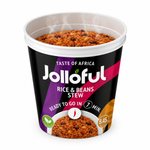
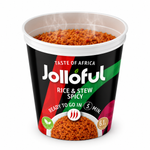
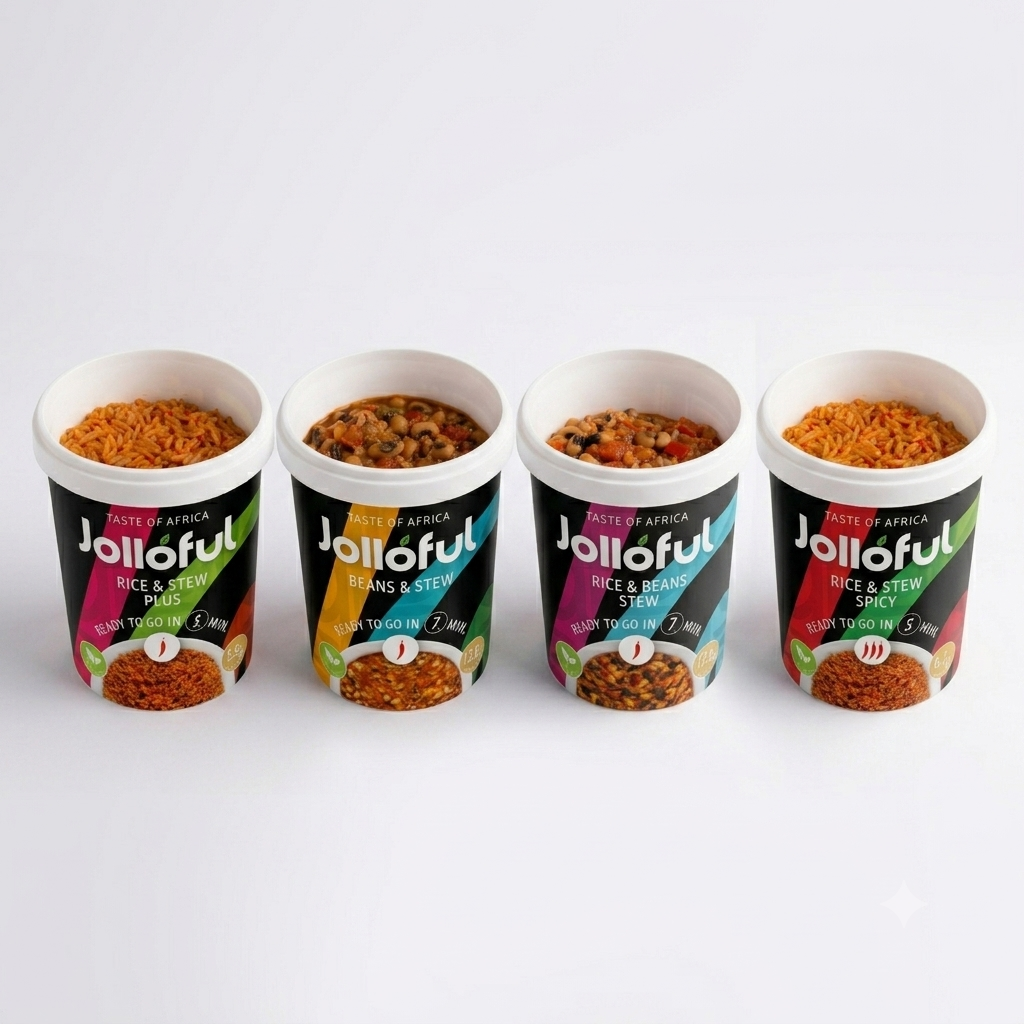
Order your 8-pack / 12 pack box today
A good rice-and-stew meal should be just as satisfying when you save some for later. For ready to heat white rice and stew at home, simmer white rice for 20 minutes, then let it rest covered for 10 minutes. Pressure-cook the stew for 35 minutes and allow 10 minutes for natural pressure release before venting.
Cooking a comforting meal takes care, and storing or reheating it well matters too. A little planning helps keep rice tender and stew rich in flavour, rather than letting leftovers go to waste.
This guide covers cooking white rice and stew, handling pressure-release times, and freezing and reheating leftovers. You’ll also find practical ways to warm a meal in the microwave or on the hob.
Follow the steps from pot to plate, with clear guidance for cooking, storing, and enjoying your meal again. African home cooking brings warmth and spice to the table, whether you’re serving dinner now or saving a portion for another day.
Heating Packaged Rice and Stew in Microwave or Saucepan
These microwave and saucepan steps apply to home-cooked rice and stew, or packaged meals whose directions specify those methods. Jolloful’s freeze-dried meals use hot water, stirring, and a 5-7 minute wait instead. Follow the directions on the specific package.
- Read the package directions. Check whether the rice and stew heat together or separately, and which appliance the label recommends. Packaging methods differ, so don’t assume every container or meal is suitable for a microwave or saucepan. For home-cooked leftovers, choose a method that suits the portion and your kitchen.
- Prepare the portions. Set out the amount you plan to eat, along with a microwave-safe dish or saucepan. If rice and stew are stored separately, keep them apart while heating. This lets you stir the stew without breaking up the rice grains.
- Transfer food from unsuitable packaging. If the label doesn’t say the container is microwave-safe, move the food into microwave-safe dishes. Don’t microwave sealed packaging unless its directions specifically allow it. Keep any sauce with the stew to retain its flavour and moisture.
- Cover the microwave dish loosely. Use a microwave-safe lid or cover that allows steam to escape. A loose cover helps limit splashes as the food warms. Avoid a tight seal, and place the dish in the centre of the microwave for more even heating.
- Heat rice according to its directions. For packaged rice, use the stated microwave time only if the label recommends microwave heating. For home-cooked rice, heat a portion in a suitable covered dish. Stir or gently turn it as needed, moving cooler grains from the centre.
- Warm stew separately when practical. Spoon it into a microwave-safe bowl and cover it loosely. Stir during heating, especially if the stew contains vegetables or larger pieces. Follow the package timing for packaged food, or heat home-cooked stew until evenly warm.
- Use a saucepan only when suitable. For home-cooked stew, place it in a small saucepan over low to medium heat. Stir regularly so the sauce warms evenly and doesn’t catch on the base. Heat rice in a separate pan, following the package directions if it is packaged.
- Loosen dry rice gently. If home-cooked rice seems dry, separate clumps with a fork and add a small splash of water. Cover the saucepan and warm it over low heat, stirring gently. Don’t make this adjustment to a packaged meal unless its instructions allow it.
- Check both parts before serving. Stir the stew from the edges towards the centre, then check the middle for cool spots. Fluff the rice with a fork. If either component needs more heating, continue following the package directions or use your chosen method for home-cooked leftovers.
- Bring the meal together at the table. Spoon warm stew over the rice, or serve the components side by side. Keeping them separate until serving helps preserve the rice’s texture and lets the stew’s spice and sauce shine.
- Store uneaten portions promptly. Transfer leftovers into clean, covered containers instead of leaving them in the serving dish. Keep rice and stew separate if you want flexible portions or plan to reheat each component differently later.
With rice
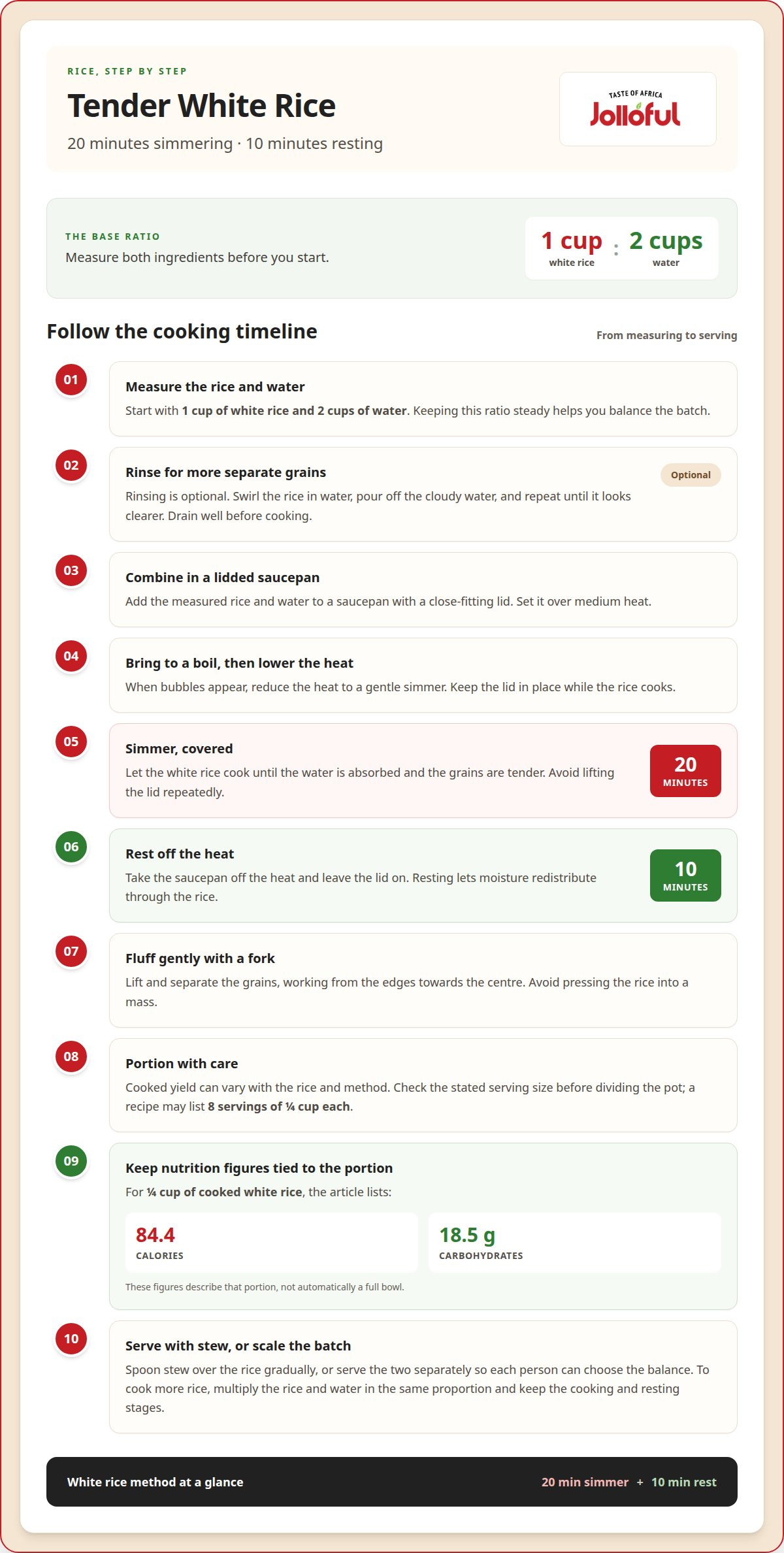
- Measure the rice and water. Use 1 cup of white rice with 2 cups of water. This ratio gives the grains room to absorb liquid as they cook. Measure both ingredients before heating, so you can keep the balance consistent. For a first batch, start with this amount rather than guessing by eye.
- Rinse the rice if you want separate grains. Put it in a bowl, cover with water, and swirl gently. Pour off the cloudy water, then repeat until it looks clearer. Drain well before cooking. This removes loose surface starch and helps prevent a sticky layer.
- Choose a saucepan with a close-fitting lid. Add the measured rice and water, then set the pan over medium heat. A lid helps keep steam inside as the rice cooks. Use a pan with enough room for the grains and water, rather than a very small pot.
- Bring the water to a boil, then lower the heat. Once bubbles appear, reduce the heat to a gentle simmer. Keep the lid in place while the rice cooks. A vigorous boil can evaporate water too quickly, leaving the grains firm before they finish cooking.
- Cook the rice for 20 minutes. Let it simmer covered, until the water is absorbed and the grains are tender. Avoid lifting the lid repeatedly, since escaping steam changes the cooking environment. If you use another rice type, its cooking needs may differ from this white-rice method.
- Rest the covered rice for 10 minutes. Take the saucepan off the heat and leave its lid on. This resting time lets moisture redistribute through the rice. The grains settle and become easier to fluff, while the bottom can release some trapped steam.
- Fluff gently with a fork. Lift and separate the cooked grains without pressing them into a mass. Start at the edges and work towards the centre. A fork helps preserve the rice’s texture better than vigorous stirring with a spoon.
- Portion the cooked rice with a serving in mind. The amount of cooked rice you get can vary with the rice and cooking method. A recipe may list 8 servings of a quarter cup each, so check the portion size before dividing the pot. Serve each portion beside stew or spoon stew over it.
- Pair the rice with stew thoughtfully. Add stew gradually, so its sauce coats the rice without overwhelming the grains. For a mild meal, start with a smaller spoonful and add more to taste. With a spicier stew, serve the components separately so each person can choose their preferred balance.
- Use nutrition figures in the right serving context. One quarter-cup serving of cooked white rice contains 84.4 calories and 18.5 g of carbohydrates. These values apply to that stated portion, not automatically to a full bowl. Measure your serving if you need to track the amount.
- Adjust the batch by keeping the ratio steady. If you cook more rice, multiply the water and rice amounts in the same proportion. For example, the base method pairs 1 cup rice with 2 cups water. Keep the lid on and allow the same cooking and resting stages.
The recipe calls for 4 cups of rice. Measure the full amount before you begin, using a container that makes it easy to level each measure. Keep the rice in a bowl while you prepare the saucepan, and drain it well if you have rinsed it. For this larger batch, follow the same rice-to-water balance already described, and choose a saucepan roomy enough to hold the ingredients without crowding. A close-fitting lid remains important: it helps keep steam inside as the rice cooks. Set everything out before heating the pan, so the measured ingredients are ready to add together.
As the rice simmers, resist the urge to stir or check it repeatedly. Keep the heat low after the water boils and let the covered pan do its work. When the cooking time is complete, remove the pan from the heat and leave it covered to rest. Then use a fork to lift and gently separate the grains, working from the edges towards the centre. If serving the rice with stew, add the sauce in stages rather than mixing in more than you need. This keeps the rice distinct and lets diners adjust the balance to taste. Spoon any remaining stew alongside the rice for easy serving. Careful measuring, a gentle simmer, a covered rest, and light fluffing help you get consistent results.
Jolloful
Jolloful offers a practical way to enjoy African rice and stew without cooking the whole meal from scratch. Its shelf-stable, freeze-dried meals are easy to prepare with hot water, making them a convenient choice for busy days when you want familiar flavours. Follow the package directions, then serve.
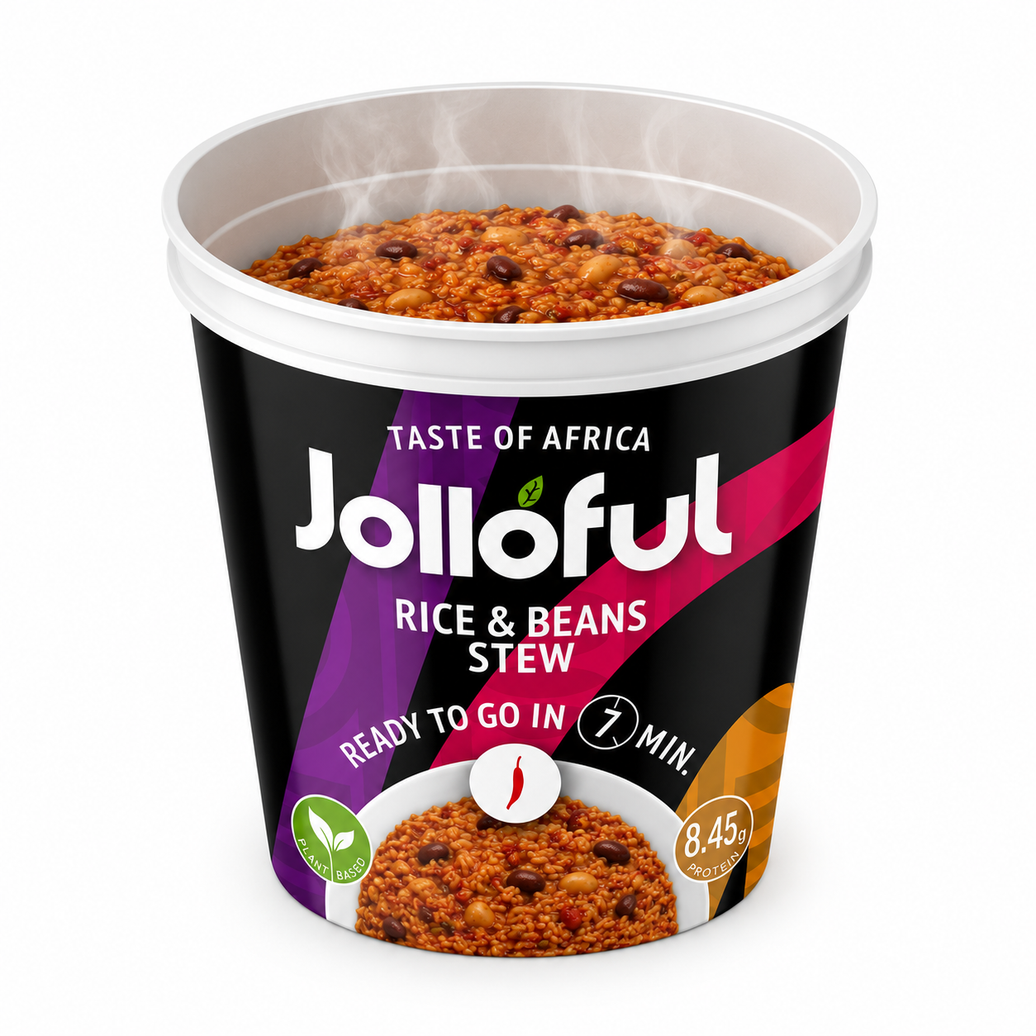
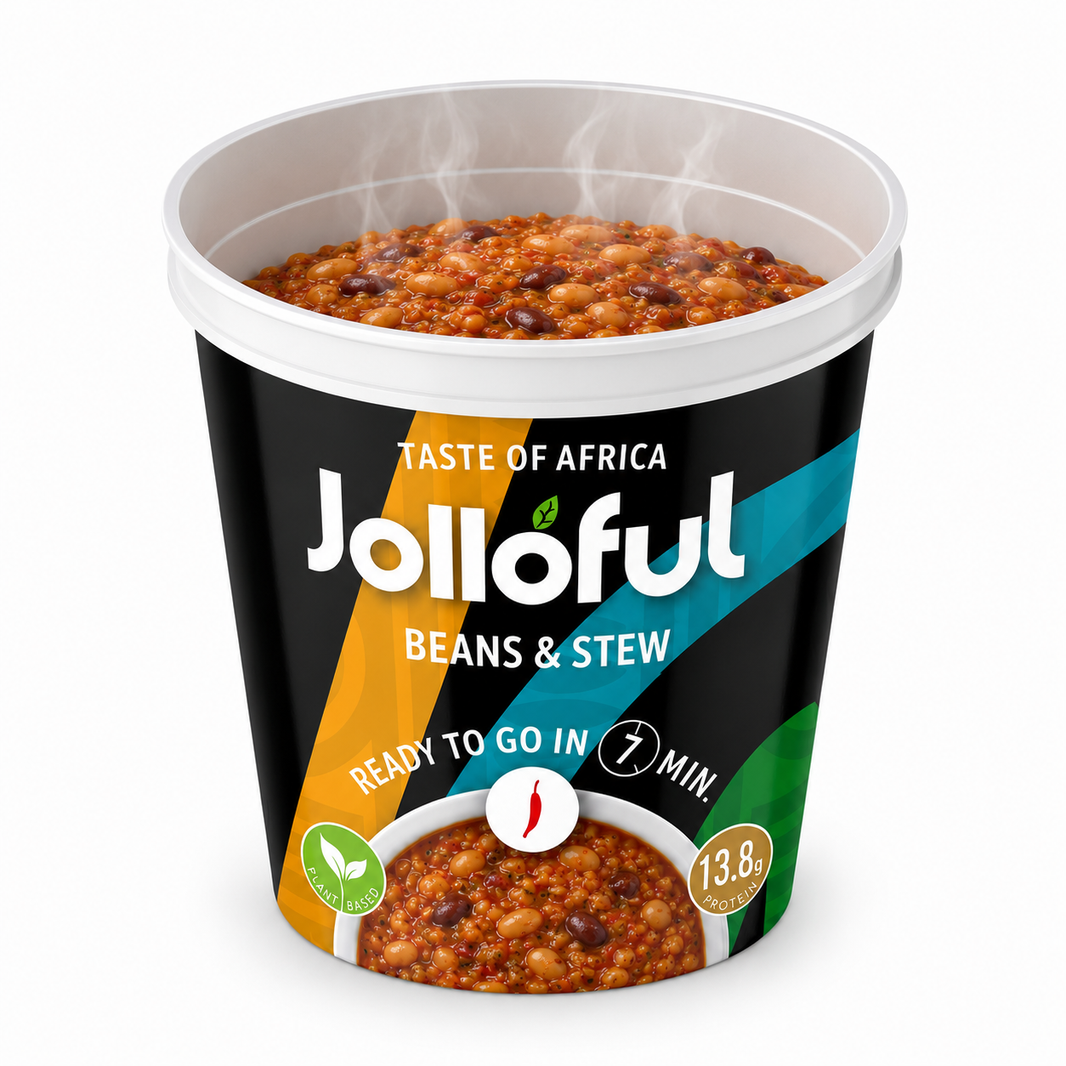
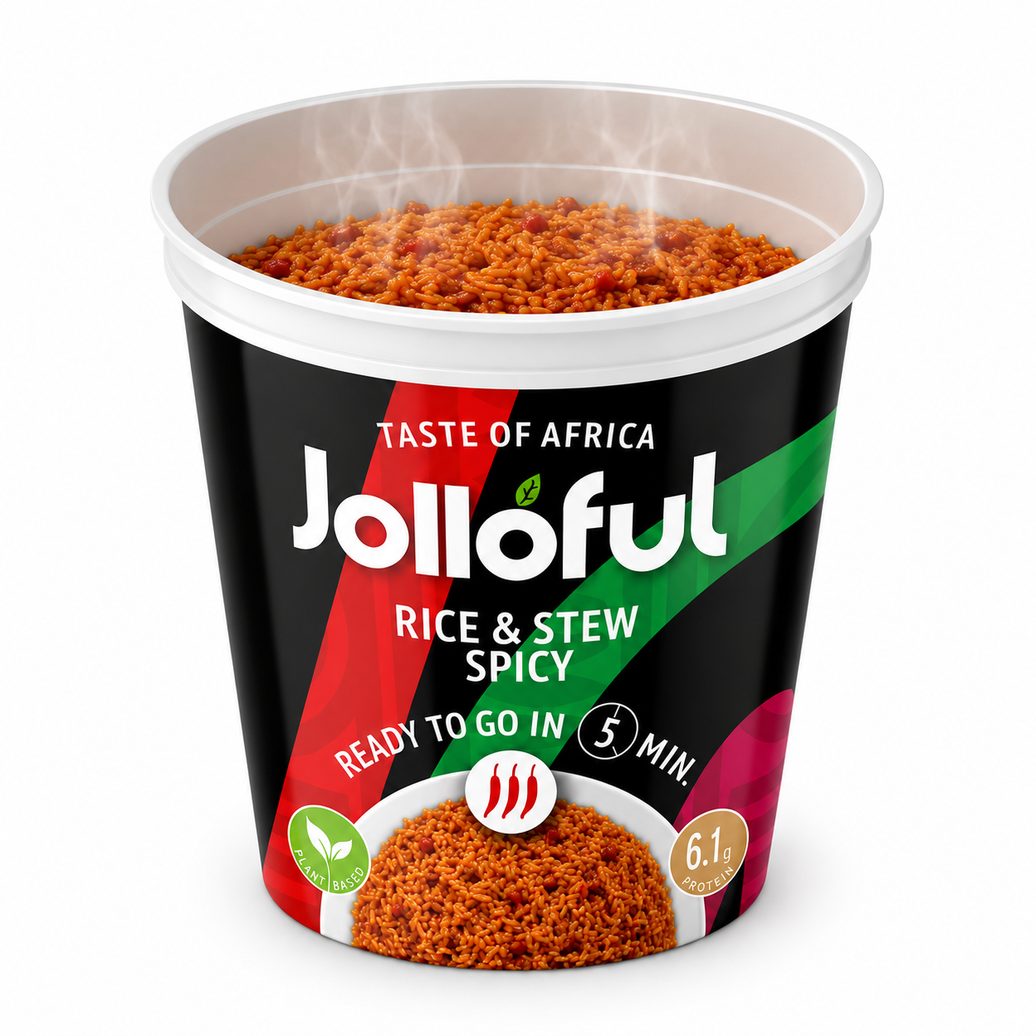
Choose White Rice and stew (Mild) for a gentler flavour, or White Rice and Stew (Spicy) for more heat. White Rice, beans and stew brings rice and beans together, while Beans and stew keeps beans at the centre. Each option offers a convenient way to bring a taste of African home cooking into your routine.
For questions about Jolloful’s meals, you’re welcome to contact Jolloful.
Make Your Next Meal Easier
Build a simple meal routine around the flavours you enjoy. Keep a favourite combination in mind for busy evenings, relaxed lunches, or a comforting meal at home. Ready-to-heat white rice and stew makes choosing a meal straightforward, while you can serve it to suit your taste.
Jolloful offers White Rice and stew (Mild), White Rice, beans and stew, and Beans and stew. Choose the combination that suits your appetite, whether you want rice with stew or beans as the centre of the plate. These options bring familiar African flavours into an everyday meal.
Let your next meal bring the spice, aroma, and warmth of West African cooking to the table without making food planning feel complicated. Keep your preferred flavours close and make room for a satisfying meal.
Choose a Jolloful variety pack to bring convenient West African flavours to your table in Germany or the United Kingdom.
Frequently Asked Questions
How long can ready-to-heat rice and stew be stored, and how should leftovers be handled?
Cooled cooked white rice keeps covered in the refrigerator for up to 5-6 days, or in the freezer for up to 1 month. Leftover beef stew can be frozen for up to 3 months. Place cooled portions in covered containers and label them with the storage date. Store rice and stew separately if you want flexible portions, then reheat only what you plan to eat.
How many servings and calories are in ready-to-heat rice and stew meals?
The white rice recipe makes 8 quarter-cup servings. Each serving contains 84.4 calories; this figure is for the rice, not the stew or the complete meal.


Hinterlasse einen Kommentar