
African meals in Europe are gaining attention through diaspora restaurants, familiar favourites and the bold flavours of West African cooking. The appeal is the variety: Africa has over 50 countries, each with distinct ingredients and food traditions. In Germany and across Europe, there’s more to discover than one idea of “African food.”
That variety is part of the appeal. Jollof rice, rich egusi soup and sweet fried plantain each offer a different introduction to West African food culture. Restaurants also bring regional dishes and community traditions to the table.
This guide explores why African cuisine is drawing interest, what to look for when dining or ordering delivery, and how West African dishes fit into the wider picture. You’ll also find a practical introduction to popular foods, from Senegalese yassa to North African couscous, plus top spots in Germany and the United Kingdom to add to your list. Come hungry for discovery, and leave with a clearer sense of what you’d like to try next.
1. African restaurants and diaspora food in Europe
African restaurants in Germany and the United Kingdom bring regional cooking, family traditions and community into public view. Sharing a meal can connect diaspora communities with familiar flavours and introduce neighbours to dishes shaped by distinct cultures.
Africa has over 50 countries, each with its own ingredients and food traditions. Ethiopian injera, a spongy fermented flatbread traditionally made from teff, is served with stews. Moroccan couscous uses steamed semolina wheat and often accompanies meat, vegetables and stew.
Regional food traditions reflect local agriculture, climate, religion and community customs. Coastal cooking may feature more fish, while inland meals may use grains, roots, legumes and leafy vegetables. No single menu represents the diversity of the continent.
German and African food traditions both vary by region and household. German meals, for example, may feature bread or potatoes, while an Ethiopian meal can pair injera with several stews. These examples show different staples and serving styles, not a ranking of cuisines.
Falafel is a vegetarian fast-food option found in German cities. Its patties are made from chickpeas or fava beans, herbs and spices, offering a distinct choice alongside West African dishes such as bean-based stews.
Prices and portions vary by city, restaurant, ingredients and serving style. A sit-down meal with several sides differs from a takeaway snack. Compare the dish and portion rather than assuming prices or sizes are the same across Germany and the United Kingdom.
Food safety and import controls can affect which African ingredients and packaged foods reach European shops. Requirements vary according to the ingredient and product form, such as fresh produce, dried spices or packaged food.
Berlin, Hamburg and Munich offer places to explore African food in Germany, while London has a wide range of African dining options in the United Kingdom. Search by city and regional cuisine to find restaurants and food shops nearby.
In Germany, search local listings for a specific cuisine or dish, such as Nigerian food or Senegalese yassa. Compare menus and descriptions: regional dish names give a clearer picture than the broad label “African”.
German supermarkets and specialty shops may carry staples such as plantain, cassava, okra, beans, rice and spices. African grocers can offer additional ingredients used in regional soups and stews.
Vegetarian choices may include falafel or bean dishes. Vegan, halal and allergy options vary by restaurant and recipe, so read menu descriptions and tell staff about any allergy or dietary need before ordering.
2. Dining, takeaway and delivery options
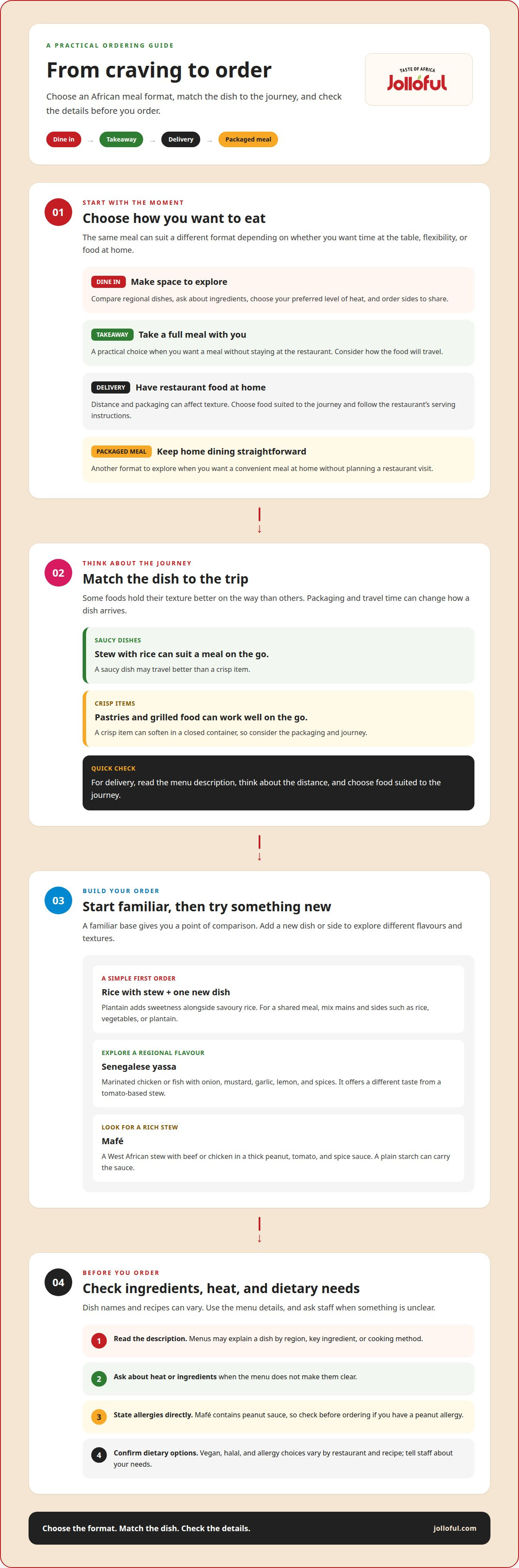
African food suits different plans, from a long restaurant meal to a quick takeaway. In Germany, choose according to the dish, how well it travels and whether you want to eat at home or share a table. Stew with rice suits a sit-down meal, while pastries or grilled food can work well on the go.
Dining in gives you time to explore the menu and ask about ingredients. Compare regional dishes, choose your preferred level of heat and order sides to share. Senegalese yassa, made with marinated chicken or fish, onion, mustard, garlic, lemon and spices, tastes different from a tomato-based stew.
Takeaway is practical when you want a full meal without staying at the restaurant. Consider the packaging: sauces and stews travel differently from crisp pastries or grilled items. For a shared meal, order a mix of mains and sides, such as rice, vegetables or plantain, so everyone can sample different textures.
Delivery brings restaurant food to your door, but distance and packaging can affect texture. A saucy dish may travel better than a crisp item, which can soften in a closed container. Check menu descriptions, choose food suited to the journey and follow the restaurant’s serving instructions when it arrives.
For a first order, choose one familiar base and one new dish. Rice with stew offers a useful point of comparison, while plantain adds sweetness. When ordering for a group, ask everyone to choose before placing the order. This helps you balance spice preferences and dietary needs.
Menus may describe dishes by region, key ingredient or cooking method. Mafé, for example, is a West African stew with a thick peanut, tomato and spice sauce. Read descriptions carefully, and ask about heat or ingredients when details are unclear. State allergies directly rather than relying on a dish name.
For convenient eating at home, packaged meals are another format to explore alongside restaurant takeaway. Browse African meal options for home when you want a straightforward meal without planning a restaurant visit. The best choice depends on the moment: a lively table for conversation, takeaway for a flexible evening, or delivery when staying in suits you better.
3. West African dishes such as jollof rice, egusi soup and plantain
West African cooking brings bold sauces, warming spices and satisfying textures to the table. Jollof rice, egusi soup and plantain are distinct dishes, not a fixed meal. Ingredients and preparation vary between countries, households and cooks, so a familiar dish name may come with a different balance of heat or richness.
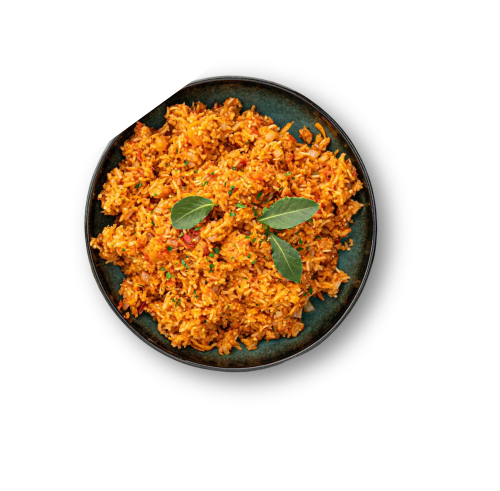
Jollof rice is cooked in a thick sauce of tomatoes, onions and peppers. As it cooks, the rice absorbs the savoury, gently smoky flavour. It is often served with meat, fish or vegetables, as a main dish or part of a shared meal. Across West African countries, cooks have their own preferences for seasoning, texture and accompaniments.
Egusi soup is known for its thick, hearty texture. Ground melon seeds give it body, while leafy vegetables and seasonings add depth. In Nigerian cooking, it is commonly paired with a swallow, a soft, dough-like staple used to scoop up soup by hand. Ask about ingredients and serving style, as recipes vary from kitchen to kitchen.
Plantain brings another flavour and texture to a plate. This starchy fruit can be fried, boiled or grilled. Ripe plantain tastes sweeter and softens as it cooks; less-ripe plantain is firmer and less sweet. Fried slices often develop a golden, caramelised edge alongside rice or stew.
Mafé offers a different kind of comfort: a West African stew combining beef or chicken with a thick sauce of peanut, tomato and spices. Its nutty richness pairs well with a plain starch that carries the sauce. If you’re new to the dish, check for peanuts before ordering, especially if you have an allergy.
To explore these dishes in Germany, start with a main and notice how its sides shape the meal. Try jollof with plantain for a contrast between savoury rice and sweet, browned fruit. Choose egusi for a seed-rich soup or mafé for a creamy, spiced stew. Menu descriptions help you compare ingredients, while asking about heat and serving style can make a first order easier. These dishes show how West African cooking carries tradition into modern dining while retaining its regional character.
Bitter leaf, scientifically known as Vernonia amygdalina, is native to Sub-Saharan Africa, and alkaloids in the plant give it its bitter taste. If it appears in a meal, expect bitterness to be part of the flavour. Ask whether it is included to decide if the dish suits your preferences, just as you might ask about heat or serving style when choosing an unfamiliar meal.
Some traditional African dietary patterns include minimally processed foods, plenty of plant foods and regular physical activity in daily life, which may be associated with better metabolic health in certain contexts. This broad observation does not mean every West African dish contains the same foods or that a single meal produces a particular health outcome. When exploring jollof, egusi, plantain or mafé, focus on the ingredients and preparation: dishes vary, and context matters.
4. Which African cuisines and popular dishes are available in Europe?
African meals in Europe: dishes from different regions
European menus can introduce diners to North, West, East and Southern African cooking. These dishes differ in ingredients, textures and serving styles. A menu might pair stew with a staple, offer a filled pastry as a snack or feature grilled meat with a lively chilli marinade. Look for a dish’s name and regional connection to choose a starting point.
Couscous is a familiar feature of North African cuisines, including those of Morocco, Algeria and Tunisia. Served with stew, meat and vegetables, it combines soft grains with rich accompaniments. Menus may use “couscous” as a broad label, so read the description to see which vegetables, sauce or protein are included.
Senegalese yassa introduces diners to West African cooking with a bright, savoury flavour. It is made with marinated chicken or fish, onions, mustard, garlic, lemon and spices. If you enjoy sharp citrus balanced with deeply cooked onion, yassa offers a clear contrast to tomato-led stews.
For a hearty street-food-style meal, look for bunny chow, which originated in Durban, South Africa. It consists of a hollowed-out loaf filled with curry. The bread holds the filling and becomes part of the meal, making bunny chow a distinctive option for diners who enjoy saucy, spice-rich food.
East African menus may include samosas, fried or baked pastries filled with meat, vegetables or legumes. They are widely eaten in Kenya, Tanzania and Uganda. Their crisp pastry and portable shape make them easy to order as a snack or starter. Check the filling description to distinguish vegetable options from meat or legume varieties.
Piri piri adds heat to grilled meat or seafood. The spicy marinade is associated with Mozambique and Angola and combines chilli peppers, garlic, lemon and spices. Its sharp citrus and chilli flavours suit diners who enjoy a pronounced kick. Look for it in descriptions of grilled dishes.
To explore African meals in Europe, choose by cooking style as well as country. Try couscous for a grain-based plate, bunny chow for curry and bread, or piri piri for grilled food. Samosas offer a smaller taste, while yassa makes a more complete meal. These examples show the range without treating the continent’s cuisines as one menu.
Think of bunny chow as a bread-and-curry dish, rather than curry served on its own. Its origin in Durban gives it a clear regional reference point. Decide whether you’d prefer a filled loaf, a grain-based plate, a pastry snack or grilled food. Menu descriptions can clarify the curry on offer: the defining format is a hollowed-out loaf filled with curry. Look for bunny chow when a menu groups African dishes by serving style as well as by name.
5. What are typical prices for African meals in European cities?
There is no typical price for African food across European cities. A Nigerian rice-and-stew plate, Senegalese yassa and Moroccan couscous differ in ingredients and preparation. Even the same dish may cost different amounts at Berlin restaurants, depending on the venue, portion and sides. Compare complete meals rather than dish names alone.
In Germany, menu prices reflect the setting as well as the recipe. A simple takeaway order differs from a restaurant meal with several sides. A plate with chicken, rice and plantain uses different ingredients from a vegetable stew. Price also depends on portion size and whether the meal includes a drink or extra accompaniment.
Ingredients shape the bill. Fish, seafood and meat affect a dish’s cost differently from beans, grains or vegetables. Senegalese yassa with fish, for example, has a different main ingredient from its chicken version. Peanut-based mafé also differs from a vegetable-led plate. Check the menu for protein and included sides before comparing prices.
City comparisons need care. Berlin, Hamburg and Munich have different restaurant locations, rents and customer settings. A takeaway counter and a sit-down dining room also have different operating costs. These factors can influence menu prices, so a dish in one city is not a reliable price guide for another. Compare similar restaurants and serving formats.
Delivery adds another point to compare. Check whether the displayed total includes delivery charges, packaging or optional extras. A restaurant’s takeaway menu may differ from its dine-in menu, and delivery platforms may show separate fees. Compare the final total for the same dishes, portion sizes and sides, not just the headline price.
For a fair comparison, choose a familiar dish and check what comes with it. Compare a jollof rice meal with another rice-based plate, or see whether plantain is included or sold separately. Review portion descriptions, protein choices and add-ons. In Germany, menu prices are shown in euros, making like-for-like comparisons straightforward when meal details match.
For a meal at home, compare ready-to-eat options with restaurant takeaway by considering convenience, portion and what is included. The right fit depends on whether you want a shared dining experience, a quick pickup or an easy meal at home.
African meals have no single typical price or standard portion size. Costs vary with ingredients, venue, serving format and what is included. To compare them fairly with local European food, look at complete meals with similar portions, sides and add-ons.
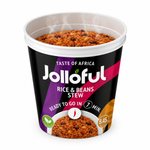
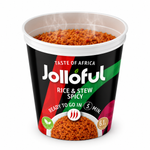
Jolloful: White Rice and stew (Mild)
Jolloful offers White Rice and stew (Mild), a convenient way to enjoy a familiar West African-style meal at home. The packaged meal is shelf-stable and ready to eat, bringing rice and mild stew together without planning a full cooking session.
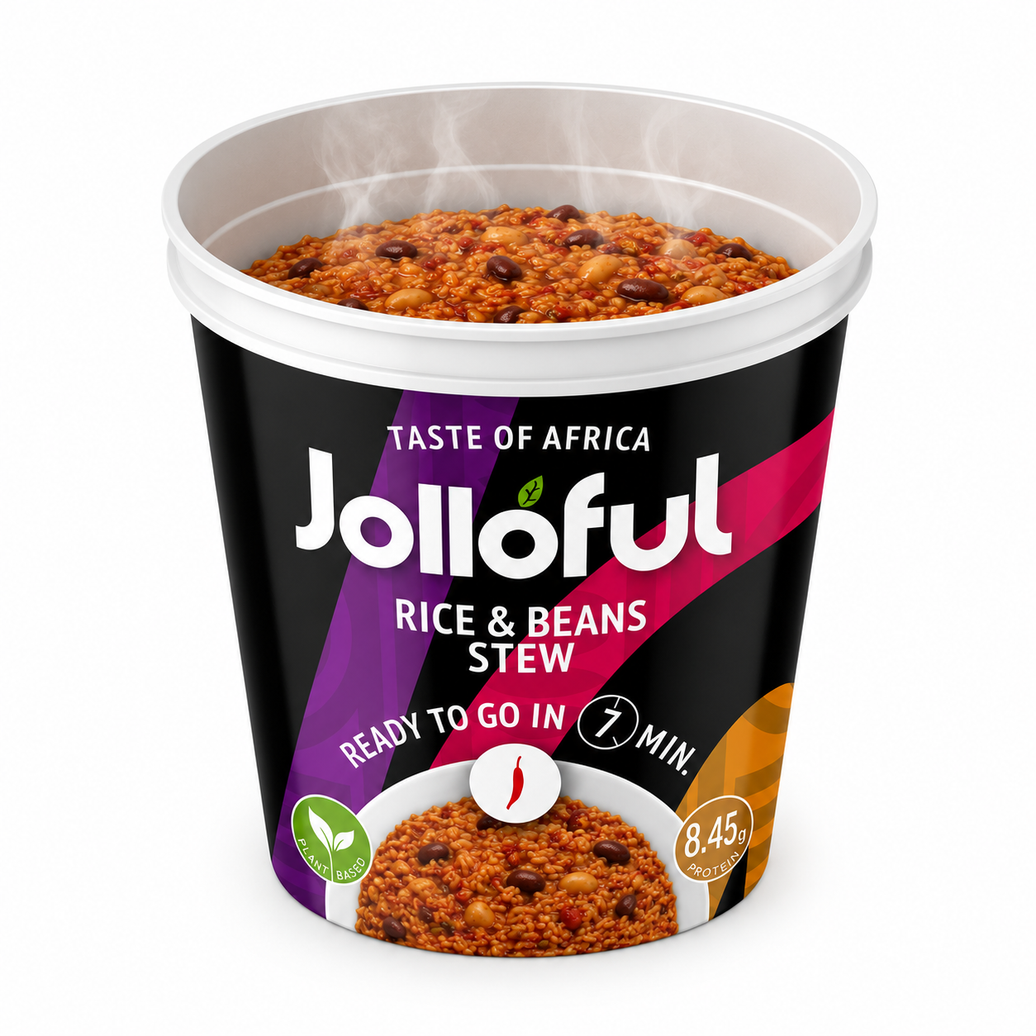
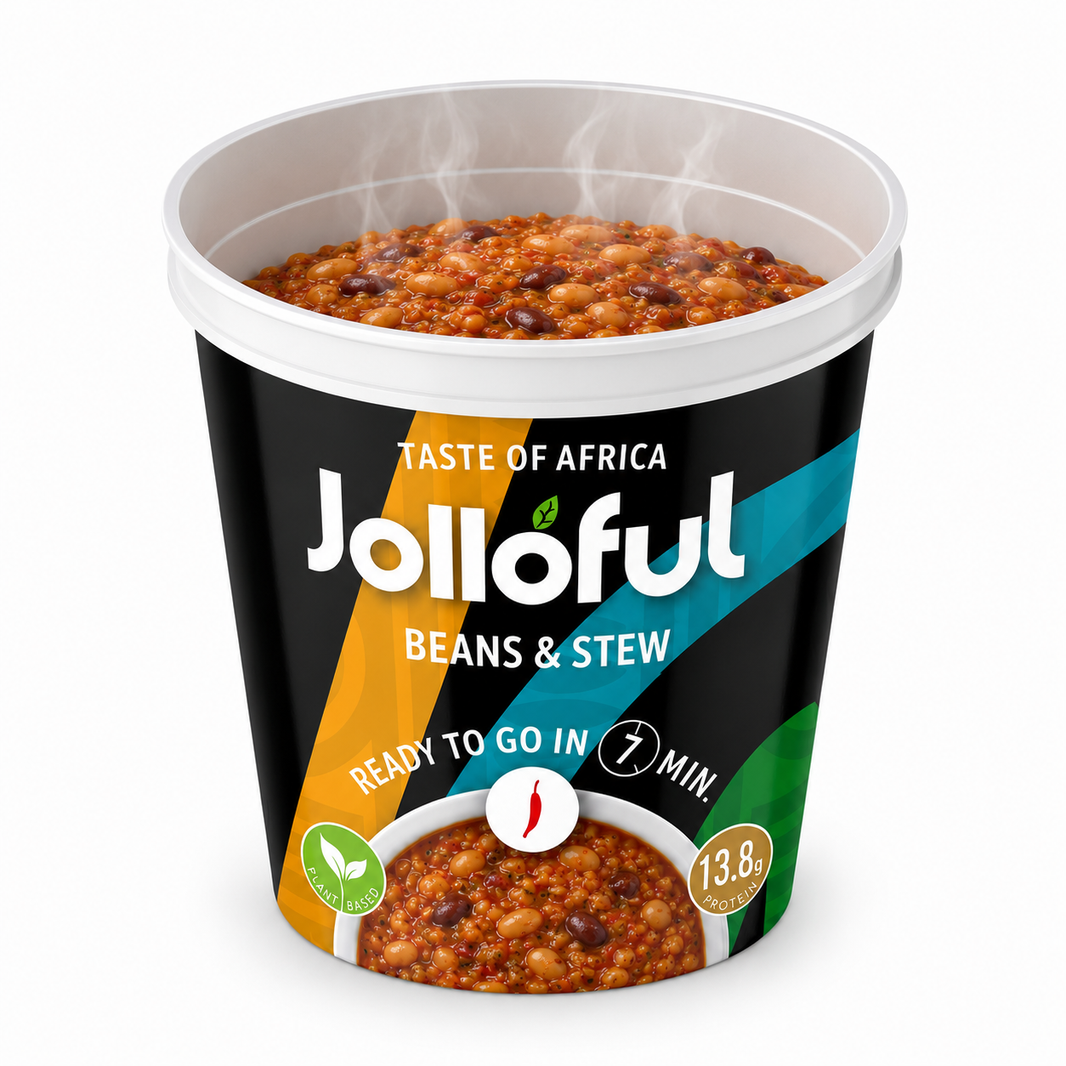
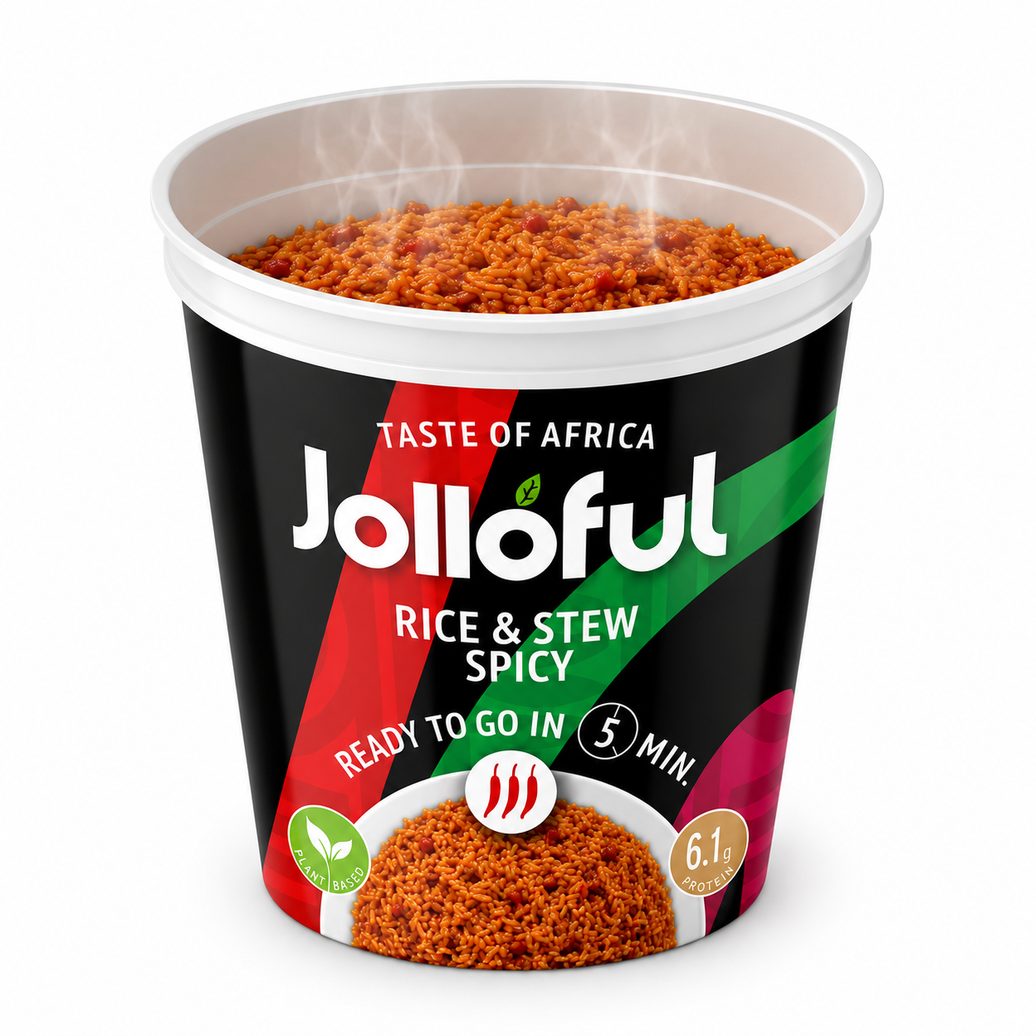
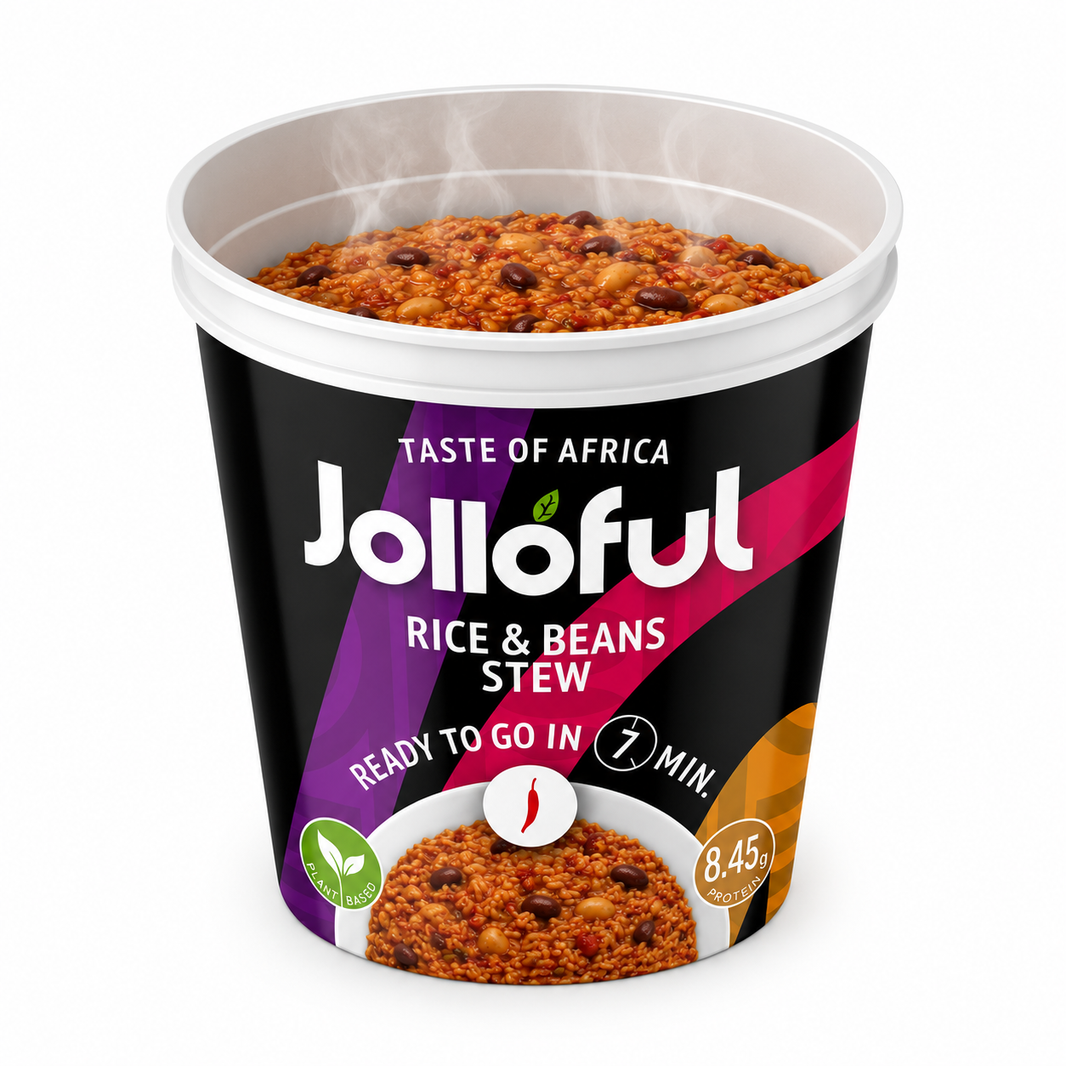
It’s a practical choice for a quick lunch or an easy dinner when restaurant dining isn’t part of the plan. Jolloful also offers White Rice, beans and stew, Beans and stew, and White Rice and Stew (Spicy). These options let you choose a rice-based meal, add beans, or opt for a spicier stew.
Explore Jolloful’s African meal options for an easy taste of West African cooking at home. Visit jolloful.com to discover the meal packs.
Make your next meal a discovery
Exploring African meals in Europe can begin with one new flavour and grow into a regular part of your food routine. Choose a dish that sounds inviting, notice which ingredients you enjoy, and let that guide your next meal. Curiosity is a good place to start.
For an easy West African-inspired meal at home, Jolloful offers White Rice and stew (Mild), White Rice, beans and stew, and Beans and stew. They’re convenient options for days when you want a comforting meal without planning a restaurant visit or cooking from scratch.
Let your next meal bring warmth, flavour and cultural discovery to the table.
Keep exploring, and make room for a new favorite.
Frequently Asked Questions
Why Is African Cuisine Trending in Europe?
African cuisine is drawing interest for its vibrant flavours, regional variety and growing presence in everyday dining. Explore dishes beyond familiar menus, from West African stews to North African couscous. Restaurant meals, takeaway and packaged options offer different ways to fit these foods into your routine. For a first taste, choose by main ingredient or cooking style, then explore another regional cuisine next time.
Where can I find African restaurants and food shops in Germany and other European countries?
In Germany, search map listings for a specific cuisine or dish alongside your city, such as “Nigerian restaurant Berlin” or “African grocery Hamburg.” Use the same approach in Munich or London, adding terms such as “African food shop” or a particular ingredient. Restaurant menus and shop listings reveal different options. For pantry ingredients, look for African specialty grocers and international food shops.
Which European cities have the largest African food scenes?
Berlin, Hamburg and Munich offer places to explore African food in Germany, while London has a wide range of African dining options in the United Kingdom.


Hinterlasse einen Kommentar