
The best African groceries do more than fill a cupboard. They make it possible to eat food with real depth on a Wednesday night, when work has run late, the fridge looks uninspiring and bland convenience food is not an option. A well-chosen African pantry brings warmth, heat, aroma and serious character to meals without asking you to spend hours at the hob.
For diaspora households, those ingredients can be a direct line to familiar tastes. For curious first-timers, they are an easy way into a continent’s many food traditions. The key is to shop with intention, not to buy every unfamiliar packet in sight. Start with a few versatile staples, learn what they do, and let your meals build from there.
African groceries are not one cuisine
“African” is a useful shop category, but it is not a single flavour profile. Food traditions across West, East, North, Central and Southern Africa are shaped by different climates, crops, trade routes and family recipes. One aisle may hold products from Ghana, Nigeria, Ethiopia, Senegal, Kenya and beyond. That range is the point.
Some kitchens lean heavily on fermented flavours and chilli. Others centre aromatic spice blends, pulses, grains, dried fish, leafy greens or slow-cooked sauces. A product’s country of origin, ingredient list and cooking instructions will tell you far more than a broad label ever can.
This matters when you are buying for speed. A smoky pepper sauce may transform eggs, beans or roast vegetables in minutes, but it will not deliver the same result as a fragrant seasoning blend or a rich nut-based stew base. There is no need to know every regional dish before you shop. Just be clear about the kind of meal you want to make: bright and hot, savoury and deeply spiced, creamy and comforting, or quick and filling.
The African groceries worth keeping close
A useful cupboard balances building blocks with shortcuts. Building blocks give you flexibility; shortcuts make a proper meal possible when your calendar is doing too much.
Grains, pulses and familiar foundations
Beans, lentils, black-eyed peas, millet, couscous, maize-based staples and grains are everyday foundations across many African kitchens. They are affordable, filling and generous with flavour when paired with spices, vegetables or a punchy sauce. Tinned beans are especially useful for fast lunches, while dried versions are excellent when you have time to cook a bigger batch.
Choose what suits your routine. Dried pulses cost less and offer more control over texture, but they require soaking or longer cooking. Tinned pulses are not a compromise in a busy week. They are a practical route to a meal that still tastes considered.
Seasonings that do the heavy lifting
This is where a small shop can change the way you cook. Look for dried chillies, ginger, garlic, smoked paprika, cloves, coriander, turmeric, curry blends, all-purpose seasonings and regional spice mixes. Whole spices often stay aromatic longer, while ground blends are faster and easier to use after work.
Be selective with salt-heavy blends. They can be brilliant for a quick traybake or pan of beans, but taste before adding more seasoning. If you are new to chilli, begin with a modest amount and build. Heat should lift the food, not erase every other flavour on the plate.
Sauces, pastes and preserved flavour
Tomato and pepper bases, chilli sauces, fermented seasonings, nut pastes and concentrated soup or stew bases can bring a lot of character with very little effort. They are the cupboard heroes for quick rice bowls, pan-fried vegetables, chicken, fish or tofu.
Read labels here. A shorter ingredient list is not automatically better, but you should be able to recognise what you are buying. Check for artificial colours, added preservatives and sugar levels, especially in bottled sauces. A good shortcut should save time, not leave you wondering what is in your dinner.
Fast meals for the days that need them
Shelf-stable African meal options have earned a place in the modern cupboard. The best ones are not trying to imitate low-effort snacks with a few spices sprinkled on top. They start with food that has a clear cultural point of view, then make it practical for offices, student kitchens, family evenings and travel days.
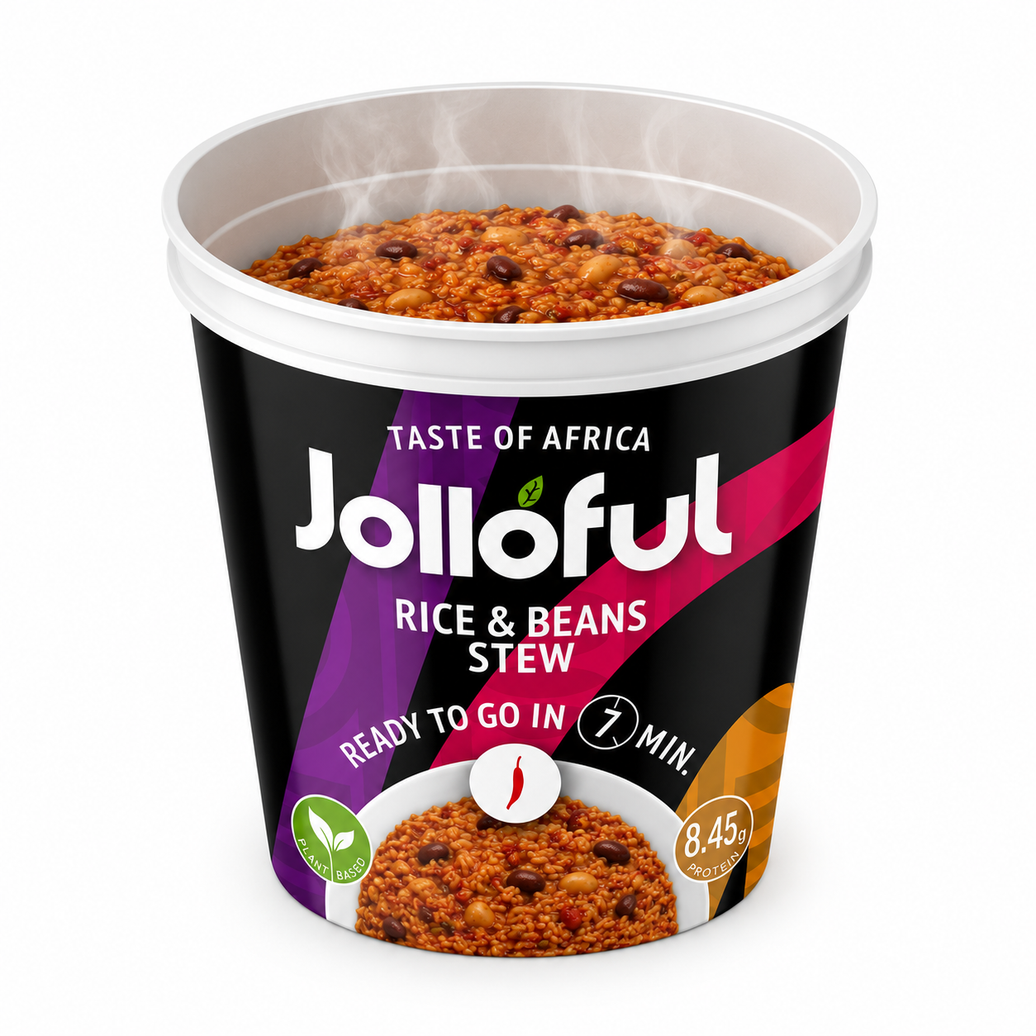
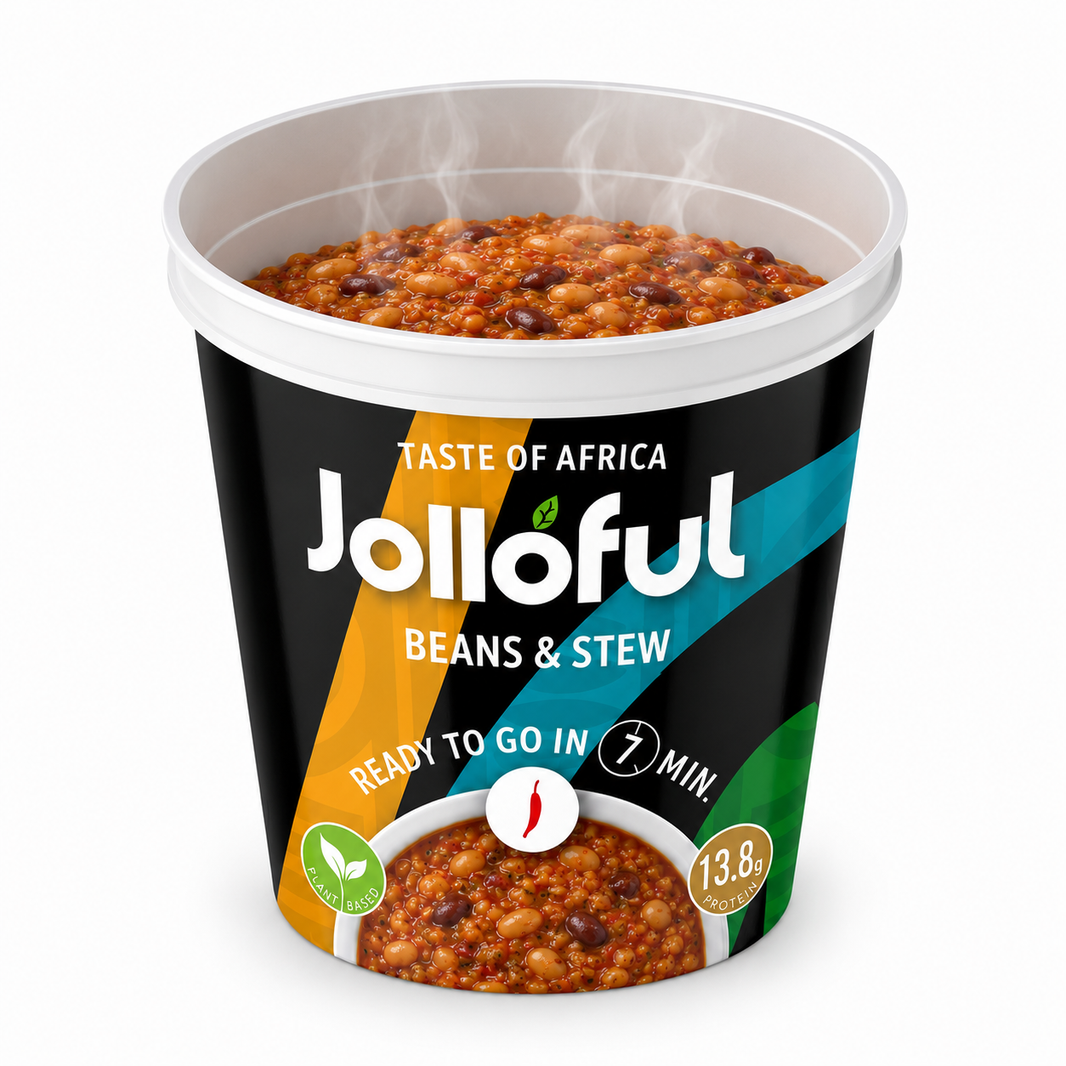
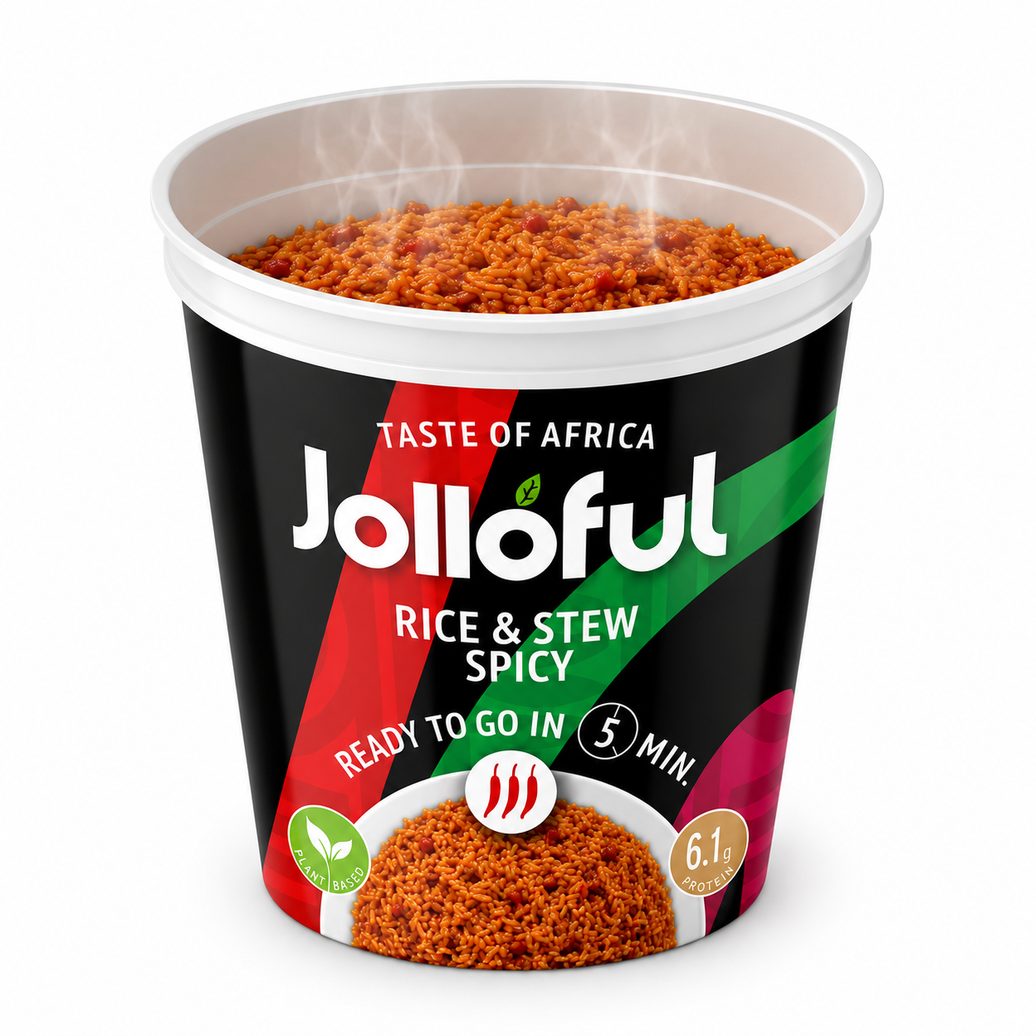
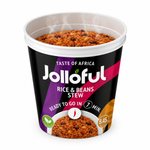
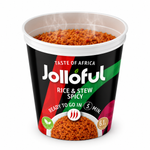
That is the appeal of Jolloful: bold West African-inspired meals made for hot water and ready in minutes, with real ingredients and no artificial colour or added preservatives. Keep a few on hand for the moments when takeaway is tempting but you still want a meal with flavour, substance and roots.
How to shop without wasting money
Shopping for unfamiliar ingredients can be exciting, but it is easy to overbuy. A beautiful shelf full of sauces and spice packets does not help if half of them sit unopened for a year. Start with one main ingredient, one seasoning route and one way to add heat.
For example, pick beans or grains, a tomato-based cooking sauce, and a chilli condiment. That combination can cover several meals. Use it with roasted vegetables one night, eggs the next morning, then add chicken, fish or plant-based protein later in the week. You are not collecting ingredients. You are creating options.
Packaging matters too. Larger bags often offer better value for staples you use regularly, particularly for households cooking for several people. But small packs are smarter for powerful spices, specialty flours or ingredients you are trying for the first time. Freshness beats false economy every time.
If you are shopping online, pay close attention to pack size, preparation time and storage instructions. A pantry product should work for your life after it arrives. If it needs specialist equipment, an hour of prep or freezer space you do not have, it may be better saved for a weekend experiment.
Build quick meals, not complicated projects
African food has range. It can be celebratory and slow-cooked, but it can also be brilliantly efficient. The idea that flavour needs an entire afternoon is one of convenience food’s biggest myths.
A strong weeknight formula is simple: choose a base, add protein or pulses, bring in vegetables, then finish with a sauce, spice blend or chilli. A tin of beans with onions, greens and a spoonful of pepper sauce can become lunch in the time it takes to make tea. Couscous with spiced vegetables and a nut-based dressing can carry a packed lunch without feeling like an afterthought.
For a more substantial dinner, use a ready seasoning blend on chicken thighs, tofu or mushrooms, roast them with onions and peppers, and serve with your preferred grain. The cooking is straightforward, but the result should never taste flat. That is the difference between food that merely saves time and food you genuinely look forward to eating.
Let your cupboard reflect your appetite
There is no correct way to stock African groceries. Some people want the exact ingredients that remind them of home. Others want a practical introduction to flavours they have not grown up with. Both belong at the table.
Buy with curiosity, but also with respect for the food. Learn the names on the packets, follow recipes from the cultures they come from, and allow your own routine to shape how you use them. A cupboard full of flavour is not about performing authenticity. It is about making real, exciting food easier to reach when life gets busy.



Hinterlasse einen Kommentar