
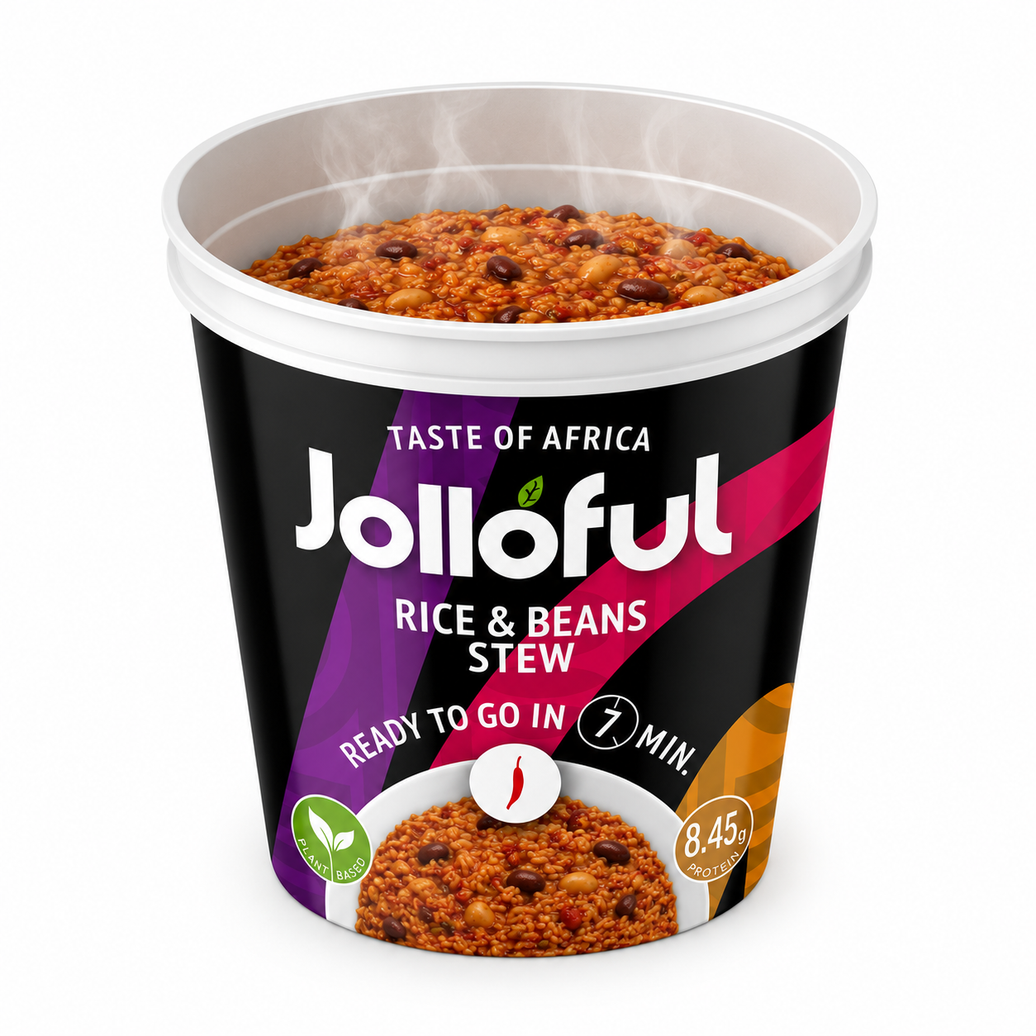
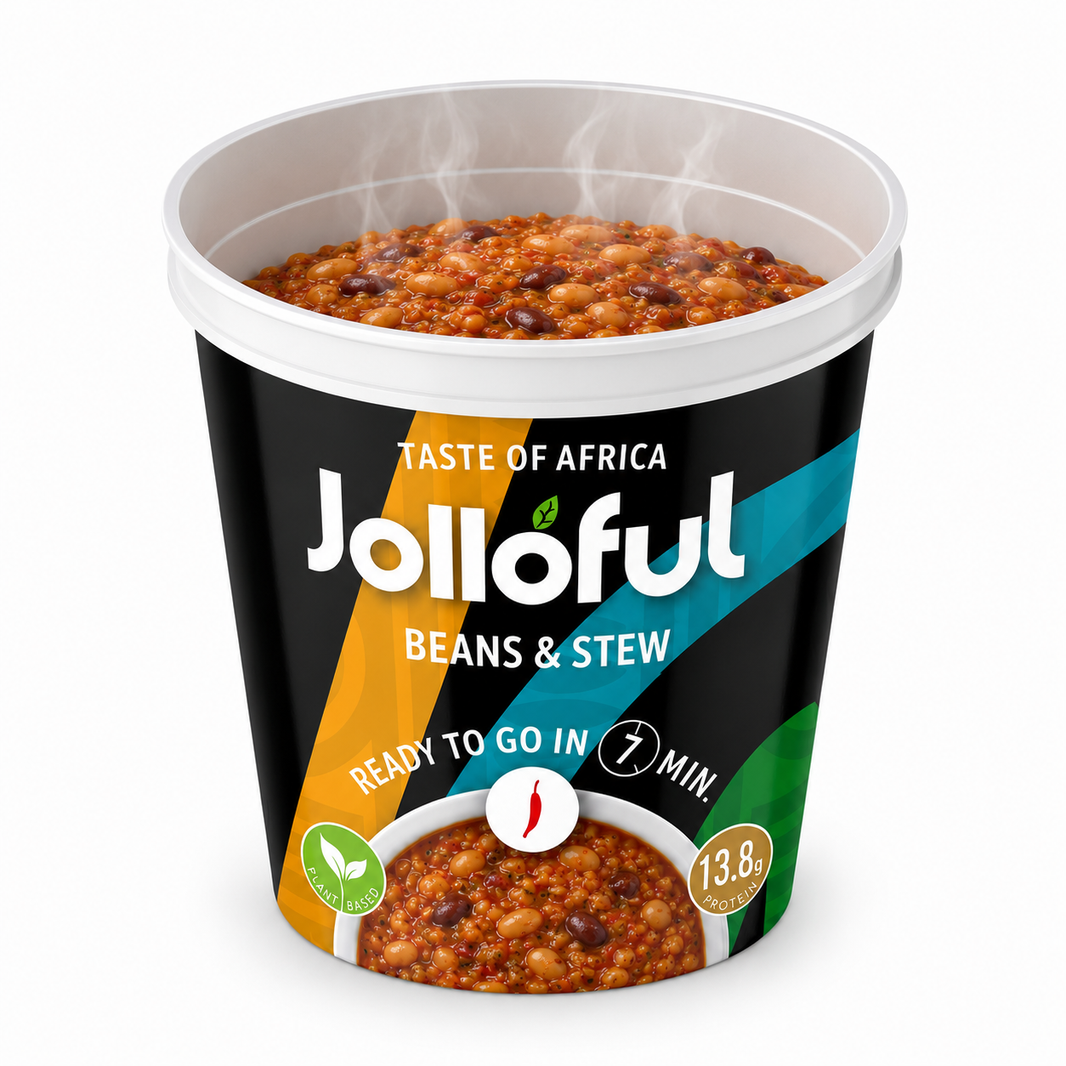
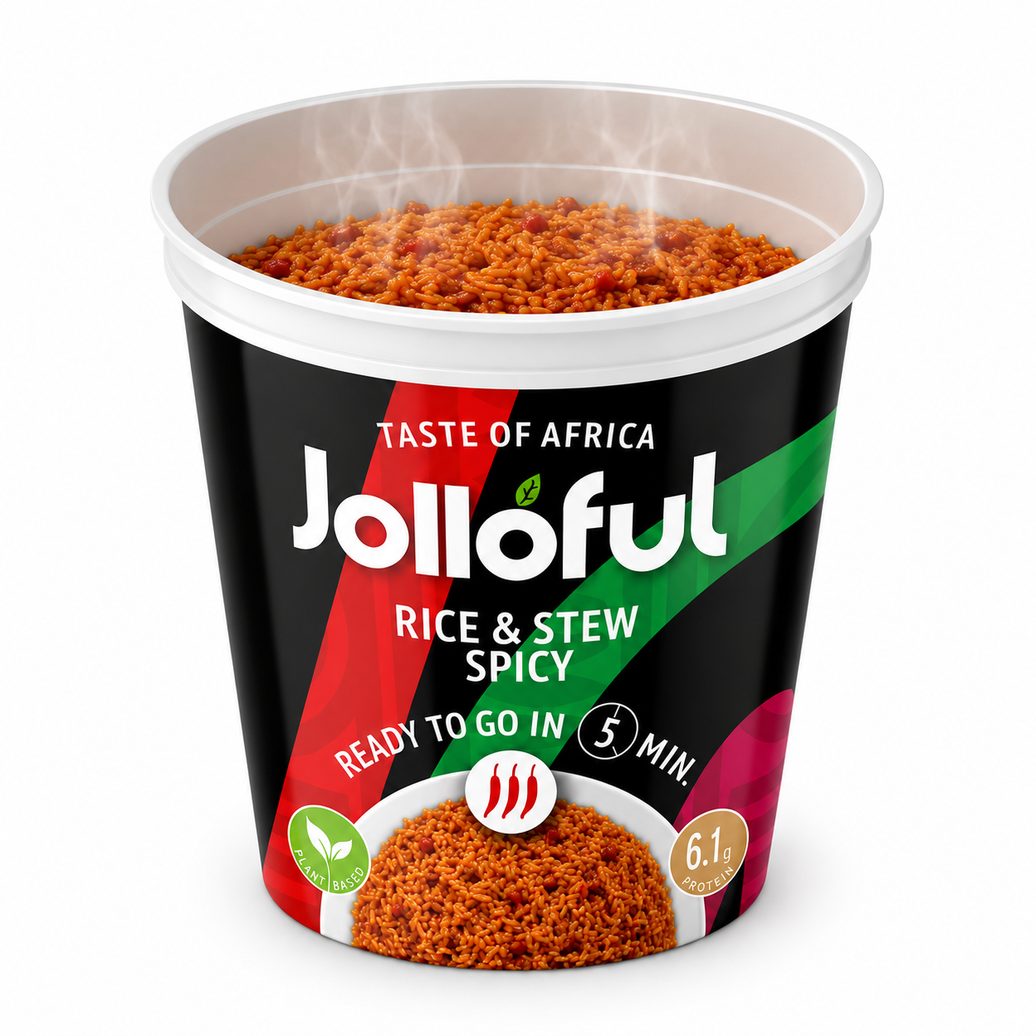
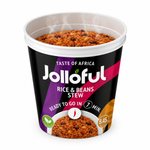
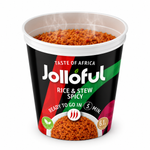
A five-minute meal should not taste like a compromise. Yet too many instant meal brands still treat convenience as permission to cut corners: vague ingredients, flat seasoning and a finish that leaves you looking for a snack half an hour later.
That standard is changing. Busy people want food that works around real life - the rushed lunch between meetings, the late-night study session, the train journey, the workday when cooking from scratch simply is not happening. But fast does not have to mean bland, overly processed or culturally empty. The best instant meals bring proper flavour, recognisable ingredients and a point of view to the table.
What Instant Meal Brands Should Deliver
Convenience is the starting point, not the whole promise. A useful shelf-stable meal needs to prepare quickly, travel well and earn its place in your cupboard. A great one also tastes intentional.
Look first at the ingredient list. You should be able to recognise what you are eating, from grains and vegetables to herbs, spices and proteins. A long shelf life does not automatically mean poor quality, but it should not rely on a mystery list of additives either. Real food can be made practical without losing its character.
Flavour matters just as much. Some meals are designed to offend no one, which usually means they excite no one. Proper seasoning has balance: warmth, depth, savoury richness and, where it belongs, a confident kick of heat. It should taste like a meal with roots, not a generic base with a flavour sachet doing all the work.
Portion size is another honest test. An instant meal can be light by design, but it should be clear whether it is a snack, a side or lunch. The right choice depends on your day. If you need a quick desk lunch, you may want something satisfying on its own. If you are building dinner for the family, a fast base that pairs well with fresh greens, grilled fish or a salad can be exactly the point.
Why Better Instant Meal Brands Matter
Convenience food has often been sold as a trade-off: save time now, accept less later. Less flavour. Less nourishment. Less connection to where food comes from. That idea is outdated.
For diaspora households, a quick meal can carry more than hunger. Familiar spices and regional cooking traditions can offer a small but meaningful connection on a packed weekday. For people discovering African cuisine, shelf-stable meals can provide a welcoming first taste without needing specialist skills, a long shopping list or hours in the kitchen.
That is why representation in the convenience aisle matters. Global flavours should not be reduced to watered-down labels or treated as a passing food trend. African cuisine is broad, inventive and full of bold regional traditions. It deserves products made with respect for the food, the people behind it and the customers eating it.
The strongest brands understand this. They do not use culture as decoration on a packet. They build products around recipes, ingredients and flavour profiles that have something real to say.
How to Choose an Instant Meal You Will Actually Enjoy
Start with the moment you are buying for. A meal for your desk drawer has different requirements from one you keep in your suitcase, university room or kitchen cupboard. Preparation time matters, but so do practical details: whether you only need hot water, whether the packaging is easy to handle and whether the meal can sit happily in storage until you need it.
Then read beyond the front of pack. Big claims are easy. The ingredient list and nutrition panel tell the fuller story. Check for artificial colours and added preservatives if clean-label choices matter to you. Consider salt levels too, particularly if instant meals appear often in your routine. One convenient meal does not need to carry your entire day, but it should fit the way you want to eat.
Be realistic about heat. “Spicy” means different things to different people. If you love chilli, seek brands that do not apologise for flavour. If you are heat-curious rather than heat-committed, choose a milder option first and add your own extras once you know the base. The goal is not to prove anything. It is to enjoy your meal.
Finally, ask whether the product feels generous. Does it offer texture as well as seasoning? Does the flavour hold up after preparation? Does it feel like food you would choose again, rather than food you only tolerate when there is nothing else around? Repeat purchases are the clearest review.
Quick does not mean one-note
A good instant meal should stand on its own, but it should also be easy to make your own. Add a handful of spinach, sliced avocado, leftover roasted vegetables or a fried egg when you have a few extra minutes. These are not repairs for a weak meal. They are ways to turn a good base into something more substantial.
On other days, keep it simple. Hot water, a spoon and five to seven minutes can be enough. That is the beauty of a well-made meal: it meets you where you are, whether you have time to build a plate or only time to eat.
The Difference Between Fast Food and Food Made Fast
The phrase “instant meal” can still bring low expectations. That is fair, given what the category has often offered. But the format itself is not the problem. Shelf stability, portability and speedy preparation are useful innovations. The question is what a brand chooses to put inside them.
Food made fast can still have depth. It can use grains, vegetables and carefully layered spices. It can be rooted in a specific culinary perspective rather than designed by committee. It can respect the fact that customers want better options without making them perform a full cooking project on a Wednesday evening.
Jolloful takes that idea seriously: authentic African meals made for modern schedules, with real ingredients, bold flavour and no artificial colour or added preservatives. It is not about making African food less distinctive to fit convenience. It is about making convenience worthy of African food.
That distinction is especially useful for people who are tired of choosing between a meal that feels quick and one that feels good. You can value efficiency and still care about taste. You can want something shelf-stable and still expect it to have a clear cultural identity.
A Better Cupboard Starts With Better Standards
There is no need to pretend every meal must be cooked from scratch. Modern life is busy, and a well-stocked cupboard is one of the simplest ways to feed yourself well when plans change. The smarter move is to raise the standard for what convenience looks like.
Choose meals with ingredients you recognise, flavours that show confidence and preparation that fits your actual routine. Keep a few options ready for the moments when hunger arrives before inspiration does. Then let fast food be what it should be: a practical answer that still tastes like somebody cared.
The best instant meal brands do not ask you to lower your expectations. They give you a reason to keep them high.


Leave a comment